
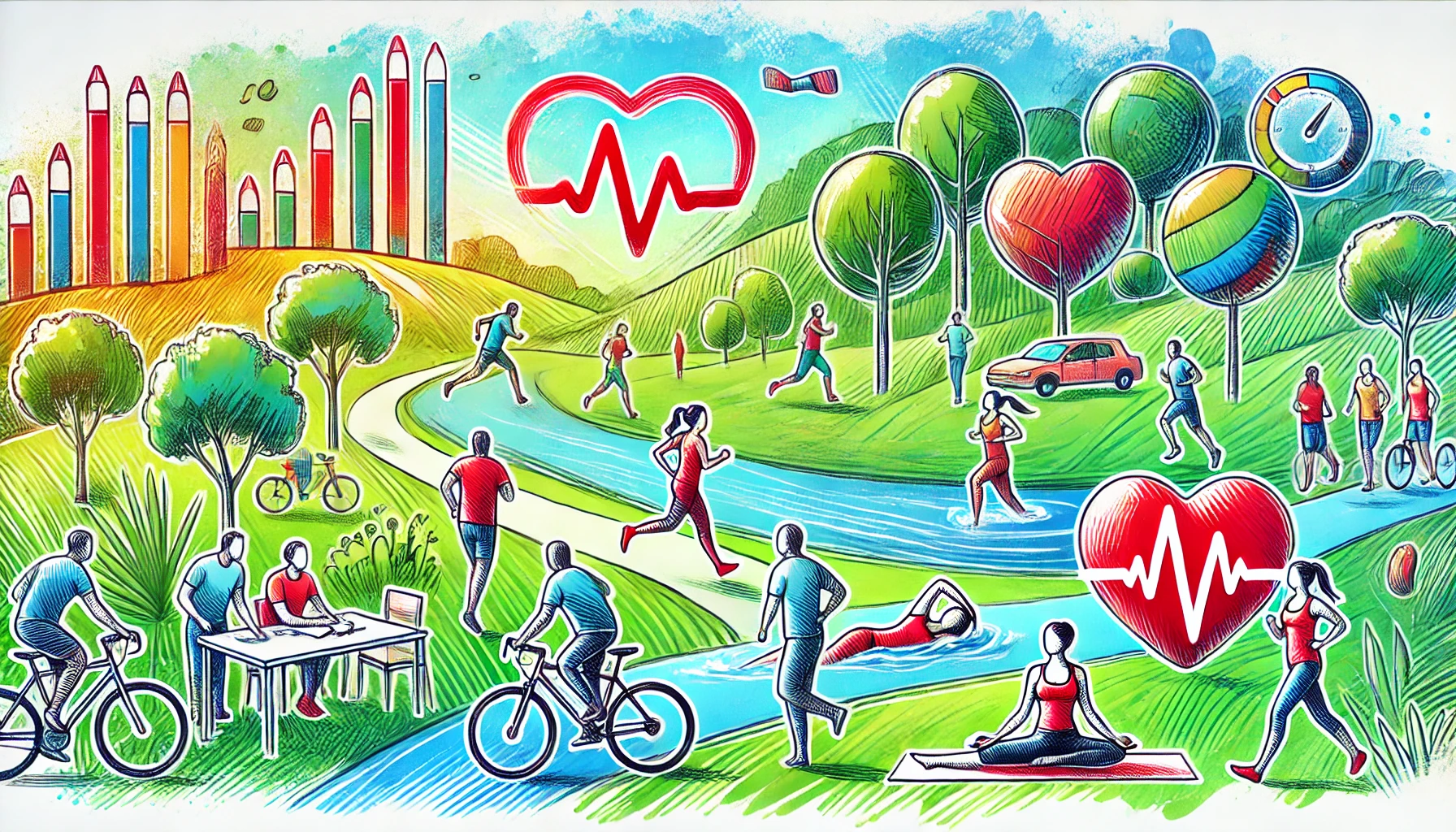
Exercise plays a crucial role in managing cholesterol levels and promoting overall cardiovascular health. Regular physical activity helps lower bad cholesterol (LDL) and raise good cholesterol (HDL), thereby reducing the risk of heart disease and stroke. By incorporating the right types of exercise into your routine, you can effectively manage your cholesterol and improve your overall well-being.
In this blog, we will explore the role of exercise in managing cholesterol levels. We will cover ten main points, each providing detailed insights and practical tips to help you understand how different forms of exercise can impact your cholesterol and how to incorporate them into your lifestyle.
1. Aerobic Exercise
- Heart Health: Aerobic exercises such as walking, running, swimming, and cycling strengthen the heart and improve blood circulation.
- Lower LDL: Regular aerobic activity helps lower LDL cholesterol by increasing the enzymes that move LDL from the blood to the liver, where it is converted to bile or excreted.
- Raise HDL: Aerobic exercise raises HDL cholesterol, which helps remove excess cholesterol from the bloodstream.
- Recommended Duration: Aim for at least 150 minutes of moderate-intensity or 75 minutes of high-intensity aerobic exercise per week.
- Consistency: Consistent aerobic exercise is key to maintaining healthy cholesterol levels.
2. Strength Training
- Muscle Mass: Strength training exercises, such as weight lifting, resistance band exercises, and bodyweight exercises, help build muscle mass.
- Metabolism Boost: Increased muscle mass boosts metabolism, helping to burn more calories and manage weight, which is beneficial for cholesterol levels.
- LDL Reduction: Regular strength training can help reduce LDL cholesterol levels.
- Frequency: Include strength training exercises at least two days a week, focusing on all major muscle groups.
- Variety: Incorporate a variety of strength training exercises to keep workouts engaging and effective.
3. High-Intensity Interval Training (HIIT)
- Efficiency: HIIT involves short bursts of intense exercise followed by periods of rest or low-intensity exercise, making it an efficient way to improve cardiovascular health.
- Cholesterol Impact: HIIT has been shown to significantly lower LDL cholesterol and increase HDL cholesterol.
- Time-Saving: HIIT workouts are typically shorter in duration but highly effective, making them ideal for busy schedules.
- Workout Structure: A typical HIIT session might include 30 seconds of sprinting followed by 1-2 minutes of walking, repeated for 20-30 minutes.
- Adaptability: HIIT can be adapted to various activities, including running, cycling, and bodyweight exercises.
4. Flexibility and Balance Exercises
- Overall Fitness: Flexibility and balance exercises, such as yoga and tai chi, contribute to overall fitness and well-being.
- Stress Reduction: These exercises help reduce stress, which can positively impact cholesterol levels.
- Physical and Mental Benefits: Yoga and tai chi combine physical movement with mindfulness, improving both physical and mental health.
- Complementary: Include flexibility and balance exercises as a complement to aerobic and strength training routines.
- Frequency: Practice these exercises several times a week to enhance overall fitness and relaxation.
5. Weight Management
- Cholesterol Control: Regular exercise helps manage weight, which is crucial for controlling cholesterol levels.
- Fat Reduction: Exercise helps reduce body fat, particularly abdominal fat, which is linked to higher LDL cholesterol and lower HDL cholesterol.
- Sustainable Weight Loss: Combining exercise with a balanced diet supports sustainable weight loss and cholesterol management.
- Consistency: Maintain a regular exercise routine to achieve and sustain weight management goals.
- Monitoring: Keep track of your weight and cholesterol levels to adjust your exercise routine as needed.
6. Exercise and Blood Pressure
- Blood Pressure Reduction: Regular physical activity helps lower blood pressure, which is beneficial for cardiovascular health and cholesterol management.
- Vascular Health: Improved blood pressure contributes to better vascular health, reducing the risk of plaque buildup in the arteries.
- Synergistic Benefits: Combining exercise with other healthy lifestyle habits amplifies the benefits for blood pressure and cholesterol levels.
- Routine Integration: Incorporate exercise into your daily routine, such as walking during breaks or taking the stairs.
- Holistic Approach: A holistic approach to health includes exercise, a healthy diet, and stress management.
7. Improving Insulin Sensitivity
- Insulin Sensitivity: Regular exercise improves insulin sensitivity, helping to regulate blood sugar levels and reduce the risk of type 2 diabetes.
- Cholesterol Impact: Improved insulin sensitivity is linked to better cholesterol management, as it reduces the risk of high LDL and low HDL levels.
- Metabolic Health: Exercise supports overall metabolic health, which is crucial for maintaining healthy cholesterol levels.
- Daily Activity: Aim to incorporate some form of physical activity into your daily routine, even if it’s just a short walk.
- Balanced Routine: Combine different types of exercises to maximize the benefits for insulin sensitivity and cholesterol levels.
8. Stress Reduction and Mental Health
- Stress Impact: Chronic stress can negatively impact cholesterol levels by increasing cortisol, which is linked to higher LDL and lower HDL levels.
- Exercise Benefits: Regular physical activity helps reduce stress and anxiety, promoting better mental health.
- Endorphin Release: Exercise stimulates the release of endorphins, which improve mood and reduce stress.
- Mind-Body Exercises: Activities like yoga, tai chi, and Pilates combine physical exercise with relaxation techniques, effectively reducing stress.
- Social Interaction: Group fitness classes or exercising with friends can provide social support and further reduce stress.
9. Establishing a Routine
- Consistency: Establish a consistent exercise routine to maintain healthy cholesterol levels over the long term.
- Variety: Mix different types of exercises to keep your routine interesting and prevent boredom.
- Goal Setting: Set realistic and achievable fitness goals to stay motivated and track your progress.
- Accountability: Find a workout buddy or join a fitness group to stay accountable and committed to your exercise routine.
- Adaptability: Be flexible and adjust your exercise routine as needed based on your progress and any changes in your health status.
10. Professional Guidance
- Personal Trainer: Consider working with a personal trainer to develop a customized exercise plan that meets your specific needs and goals.
- Healthcare Provider: Consult your healthcare provider before starting any new exercise program, especially if you have existing health conditions.
- Regular Check-Ups: Schedule regular check-ups to monitor your cholesterol levels and overall health.
- Feedback and Adjustment: Use feedback from your healthcare provider to adjust your exercise routine and ensure it’s effective.
- Ongoing Support: Seek ongoing support from fitness professionals, healthcare providers, and support groups to stay on track with your exercise and cholesterol management plan.
Incorporating regular exercise into your routine is essential for managing cholesterol levels and improving overall cardiovascular health. By understanding the different types of exercises and their specific benefits, you can create a balanced and effective fitness plan. Consistency, along with support from healthcare professionals, will ensure you achieve and maintain optimal cholesterol levels and enjoy long-term health benefits.