
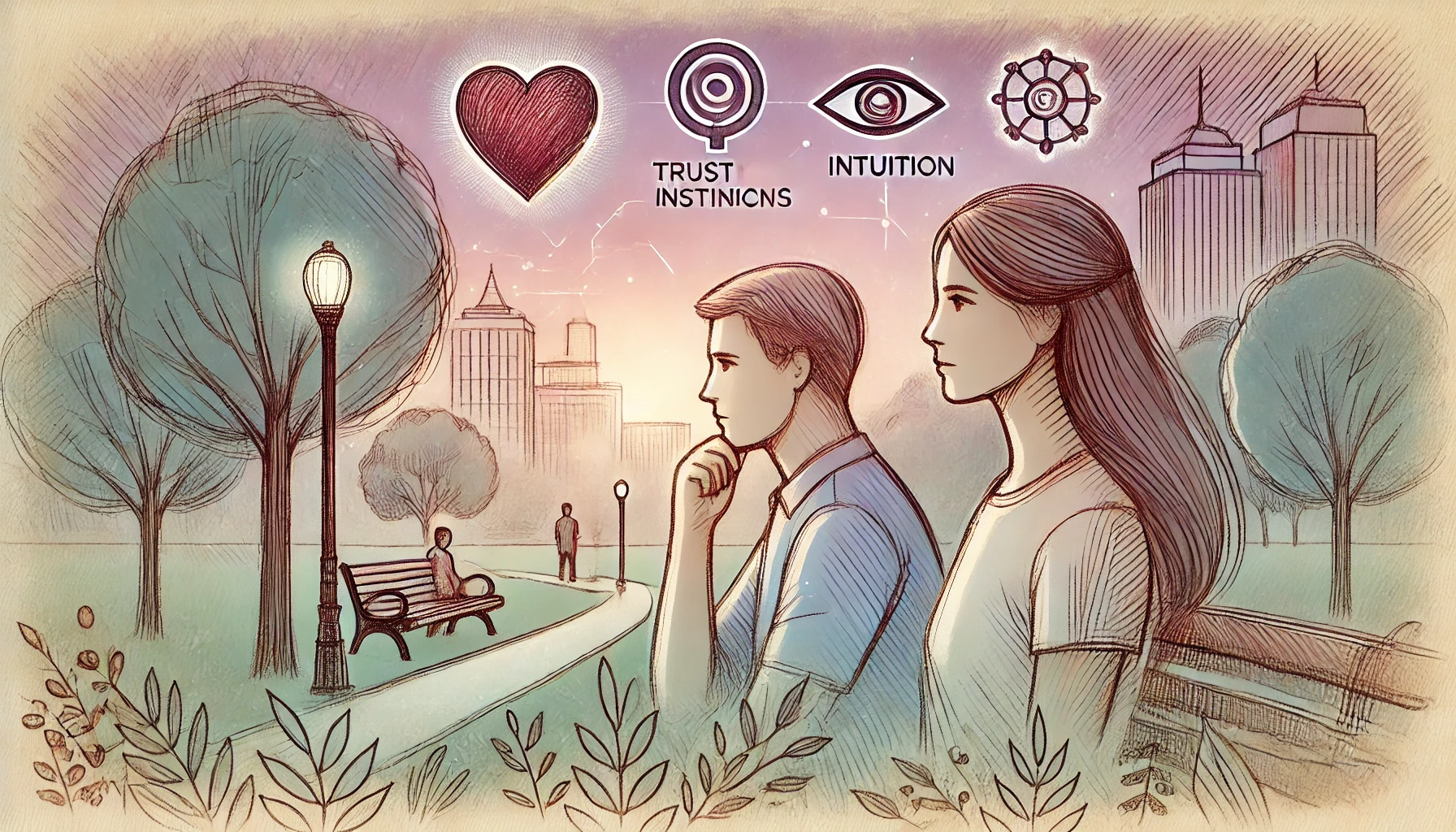
Navigating the dating world can be exciting but also daunting, especially when it comes to ensuring your safety. One of the most powerful tools you have at your disposal is your own intuition. Trusting your instincts can help you avoid potentially dangerous situations and make better decisions when meeting new people. This blog provides essential tips on how to trust your instincts and stay safe while dating.
Learning to listen to and trust your gut feelings is crucial for your well-being. Whether it’s sensing that something isn’t right or feeling a genuine connection with someone, your instincts can guide you in making safer and more informed choices.
1. Pay Attention to Initial Impressions
- First Impressions Matter: Often, your initial gut reaction to someone can provide valuable insights. If something feels off during your first interaction, take note of it.
- Physical Reactions: Your body can give you clues about how you feel. Pay attention to physical sensations like tension, unease, or discomfort when meeting someone new.
- Energy and Vibes: Trust the energy you sense from the person. If their presence makes you feel anxious or uncomfortable, consider it a warning sign.
- Consistency Check: Compare their online persona to their real-life behavior. Discrepancies between the two can be a red flag.
2. Listen to Your Inner Voice
- Inner Dialogue: Tune into your inner thoughts and feelings. If you catch yourself rationalizing why something should feel right when it doesn’t, listen to that hesitation.
- Unexplained Discomfort: If you feel uneasy without a clear reason, it’s important to acknowledge that feeling rather than dismiss it.
- Recurrent Thoughts: Pay attention to recurring doubts or concerns about the person or situation. Persistent worries often stem from genuine instincts.
3. Observe Behavior and Body Language
- Inconsistent Actions: Watch for actions that don’t match their words. Inconsistencies can indicate dishonesty or hidden agendas.
- Respect for Boundaries: Note how they respond to your boundaries. Disrespecting your limits or pushing you to do something you’re uncomfortable with is a major red flag.
- Non-Verbal Cues: Pay attention to their body language. Signs of aggression, impatience, or discomfort can be telling.
- Eye Contact: Genuine people maintain appropriate eye contact. Avoiding eye contact can sometimes signal deceit or discomfort.
4. Recognize Manipulative Behavior
- Love Bombing: Be wary of someone who overwhelms you with affection, compliments, or grand gestures early on. This can be a tactic to lower your defenses.
- Guilt Tripping: If someone tries to make you feel guilty for setting boundaries or saying no, it’s a manipulation tactic.
- Gaslighting: Watch for signs of gaslighting, where someone makes you doubt your reality or feelings. Trust your perception of events and emotions.
- Rapid Intimacy: Be cautious if they push for rapid intimacy, whether emotional or physical. Healthy relationships develop at a comfortable pace for both parties.
5. Validate Your Feelings with Trusted Friends
- Seek Second Opinions: Share your concerns and experiences with trusted friends or family members. They can provide objective perspectives and validate your feelings.
- Support System: Having a support system helps reinforce your instincts and provides additional safety measures.
- Discuss Red Flags: Talking about potential red flags with someone you trust can help clarify your thoughts and make better decisions.
- Compare Notes: Sometimes, friends may notice things you missed. Their observations can be invaluable.
6. Test Their Reactions to Boundaries
- Set Clear Boundaries: Establish and communicate your boundaries early in the relationship.
- Observe Reactions: Pay close attention to how they react when you set or reinforce your boundaries. Respectful behavior is a positive sign.
- Pushback: If they react negatively or try to push your boundaries, it’s a clear indicator that they may not respect you or your limits.
- Consistency: Ensure they consistently respect your boundaries over time, not just in the beginning.
7. Use Technology Wisely
- Location Sharing: Use location-sharing apps to let a trusted friend or family member know your whereabouts during dates.
- Emergency Apps: Download safety apps that allow you to quickly alert friends or authorities if you feel unsafe.
- Online Background Checks: Consider doing a basic online search or background check if you have doubts about someone’s identity or history.
- Keep Records: Save communications and details about your interactions. This can be useful if something feels off and you need to review or report it later.
8. Plan Safe Meeting Places
- Public Locations: Always meet for the first few dates in public places with plenty of people around. Coffee shops, restaurants, and parks are good options.
- Transportation Control: Arrange your own transportation to and from the date. This ensures you can leave whenever you feel necessary.
- Inform Friends: Let someone know where you’re going, who you’re meeting, and when you expect to return.
- Exit Strategy: Have a plan in place for how you’ll leave if you start feeling uncomfortable or unsafe.
9. Educate Yourself on Red Flags
- Common Red Flags: Familiarize yourself with common red flags in dating, such as excessive jealousy, controlling behavior, or a history of dishonesty.
- Resources: Use online resources, books, or workshops to learn more about identifying and handling red flags in relationships.
- Self-Awareness: Reflect on past experiences and recognize patterns that made you feel unsafe or uncomfortable.
- Stay Informed: Keeping up with current advice and strategies for dating safety can help you remain vigilant and prepared.
10. Practice Self-Care and Reflection
- Take Your Time: Don’t rush into a relationship. Take the time to get to know the person and let trust build gradually.
- Reflect on Experiences: After each date, take time to reflect on how you felt and whether any red flags emerged.
- Self-Care: Prioritize your well-being and mental health. Engage in activities that help you relax and feel grounded.
- Boundaries Review: Regularly review your boundaries and ensure they align with your comfort levels and values.
Trusting your instincts is a vital part of staying safe while dating. By paying attention to your gut feelings, setting clear boundaries, and taking proactive steps to ensure your safety, you can navigate the dating world with confidence. Remember, your well-being is paramount, and listening to your intuition is a powerful way to protect yourself.