
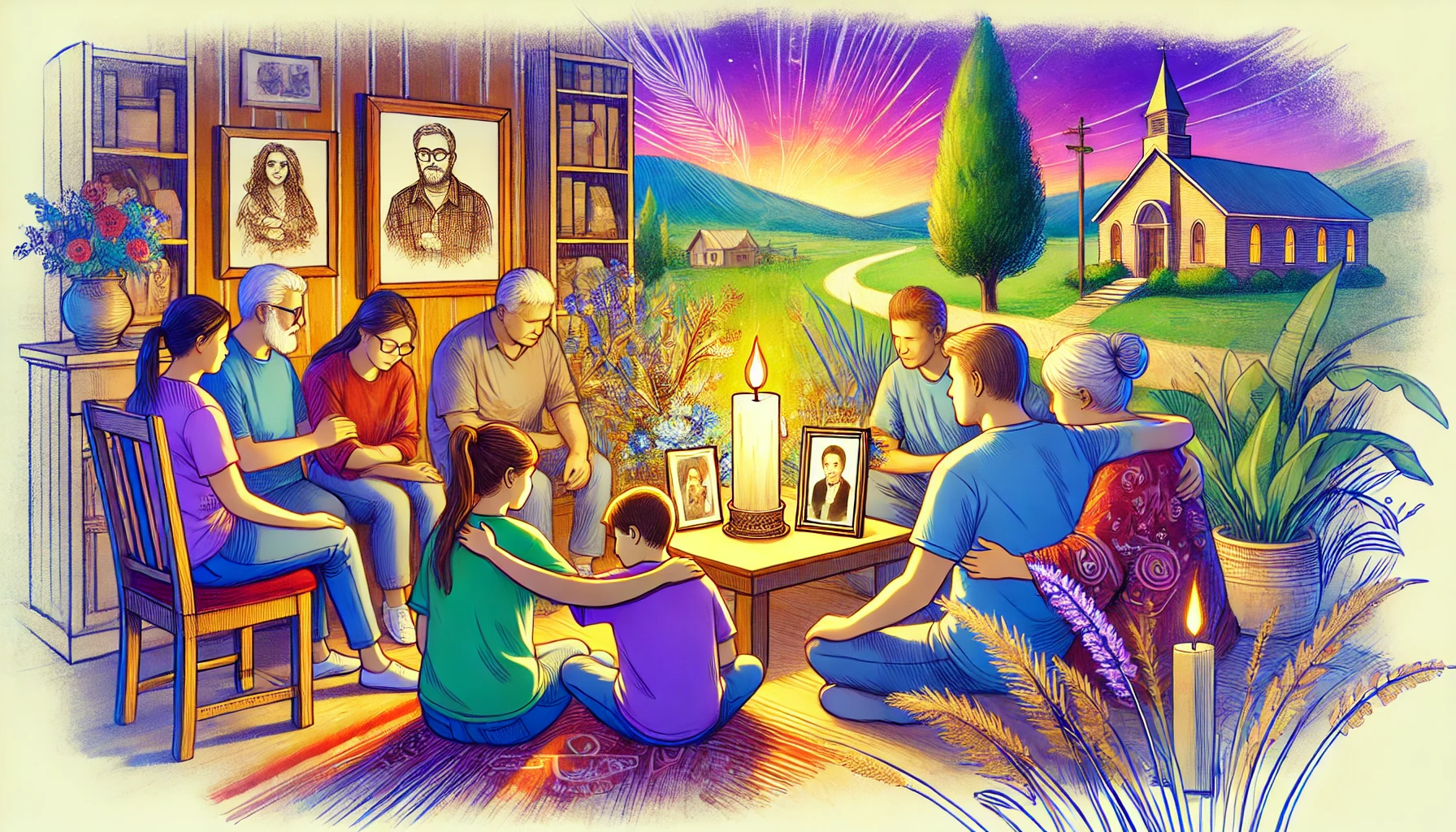
Coping with the loss of a family member is one of life’s most challenging experiences. Grief can be overwhelming, affecting every aspect of one’s life, from emotional and physical well-being to relationships and daily routines. While everyone grieves differently, finding ways to navigate this difficult time is crucial for healing and moving forward. Understanding the grieving process and utilizing strategies to cope can help individuals and families manage their loss and find comfort and support during this painful journey.
Grieving the loss of a family member involves a range of emotions, including sadness, anger, guilt, and confusion. It is important to acknowledge these feelings and allow oneself to experience them fully. Support from family, friends, and professionals can provide much-needed comfort and guidance. Here are some strategies to help cope with the loss of a family member.
1. Allow Yourself to Grieve
- Accept that grief is a natural and necessary process after losing a loved one. There is no right or wrong way to grieve, and everyone’s experience is unique.
- Give yourself permission to feel all the emotions that come with grief, including sadness, anger, and confusion.
- Allow yourself to cry and express your emotions without feeling guilty or ashamed.
- Understand that grief can be a long process, and it is okay to take the time you need to heal.
- Remember that it is normal to have good days and bad days. Grief is not a linear process, and feelings can fluctuate.
2. Seek Support from Loved Ones
- Reach out to family and friends who can offer emotional support and understanding.
- Share your feelings and memories with those who knew your loved one, as talking about your loss can be comforting.
- Accept offers of help from others, whether it’s with daily tasks, errands, or simply spending time together.
- Participate in family gatherings and rituals that honor the memory of your loved one.
- Lean on your support network to help you navigate the difficult moments and provide comfort during times of need.
3. Join a Grief Support Group
- Consider joining a grief support group where you can connect with others who have experienced similar losses.
- Sharing your story and hearing others’ experiences can provide validation and a sense of community.
- Support groups can offer practical advice and coping strategies from people who understand what you are going through.
- Many support groups are available in-person and online, providing flexibility to find one that suits your needs.
- Being part of a support group can help reduce feelings of isolation and provide a safe space to express your emotions.
4. Take Care of Your Physical Health
- Pay attention to your physical health by eating balanced meals, staying hydrated, and getting enough rest.
- Engage in regular physical activity, such as walking, yoga, or other forms of exercise, to help reduce stress and improve your mood.
- Avoid using alcohol or drugs to cope with your grief, as they can interfere with the healing process.
- Schedule regular check-ups with your healthcare provider to monitor your physical health during this challenging time.
- Listen to your body and take breaks when needed. Rest and self-care are essential components of the grieving process.
5. Create Rituals and Memorials
- Establish rituals or traditions that honor the memory of your loved one, such as lighting a candle, visiting their grave, or holding a memorial service.
- Create a scrapbook, photo album, or memory box filled with mementos and memories of your loved one.
- Plant a tree or garden in their honor, providing a living tribute that can bring comfort and a sense of connection.
- Celebrate their life on special occasions, such as birthdays or anniversaries, by doing something they loved or gathering with family and friends.
- Personalize rituals in a way that feels meaningful to you, allowing you to feel close to your loved one.
6. Seek Professional Help
- Consider seeking support from a grief counselor or therapist who specializes in loss and bereavement.
- Professional help can provide guidance and tools for managing intense emotions and navigating the grieving process.
- Therapy offers a safe space to explore your feelings, process your grief, and work through any unresolved issues.
- A mental health professional can help you develop coping strategies tailored to your individual needs and circumstances.
- Seeking professional help is a sign of strength and can significantly aid in your healing journey.
7. Express Your Emotions Creatively
- Engage in creative activities such as writing, painting, drawing, or music to express your emotions and process your grief.
- Keep a journal to document your thoughts, feelings, and memories of your loved one.
- Write letters to your loved one, expressing everything you wish you could have said.
- Create artwork or crafts that symbolize your relationship and the impact your loved one had on your life.
- Creative expression can be a therapeutic way to honor your loved one and channel your emotions constructively.
8. Focus on Positive Memories
- Reflect on the positive memories and experiences you shared with your loved one.
- Share stories and reminisce with family and friends, keeping the memory of your loved one alive.
- Create a gratitude list, focusing on the aspects of your loved one’s life and legacy that bring you joy and comfort.
- Celebrate the ways in which your loved one influenced your life and the lives of others.
- Focusing on positive memories can provide solace and help you appreciate the lasting impact of your loved one’s life.
9. Maintain a Routine
- Establish and maintain a daily routine to provide structure and a sense of normalcy during this difficult time.
- Engage in regular activities that bring you comfort and stability, such as work, hobbies, or volunteering.
- Set small, achievable goals to help you stay focused and motivated.
- Routine can help ground you and provide a sense of control amidst the chaos of grief.
- Balance your routine with self-care activities and moments of rest to ensure you are caring for yourself.
10. Give Yourself Grace
- Be patient and compassionate with yourself as you navigate the grieving process.
- Allow yourself to feel a range of emotions without judgment or pressure to “move on.”
- Recognize that healing from loss is a gradual process, and it’s okay to seek help and take things one day at a time.
- Avoid setting unrealistic expectations for your grief journey; everyone heals at their own pace.
- Giving yourself grace means acknowledging your humanity and allowing space for growth and healing.
Coping with the loss of a family member is a deeply personal journey that requires time, support, and self-compassion. By allowing yourself to grieve, seeking support from loved ones and professionals, joining a support group, taking care of your physical health, creating rituals and memorials, expressing your emotions creatively, focusing on positive memories, maintaining a routine, and giving yourself grace, you can navigate this challenging time with resilience and hope. These strategies can help you find comfort and healing as you honor the memory of your loved one and move forward in your life.