
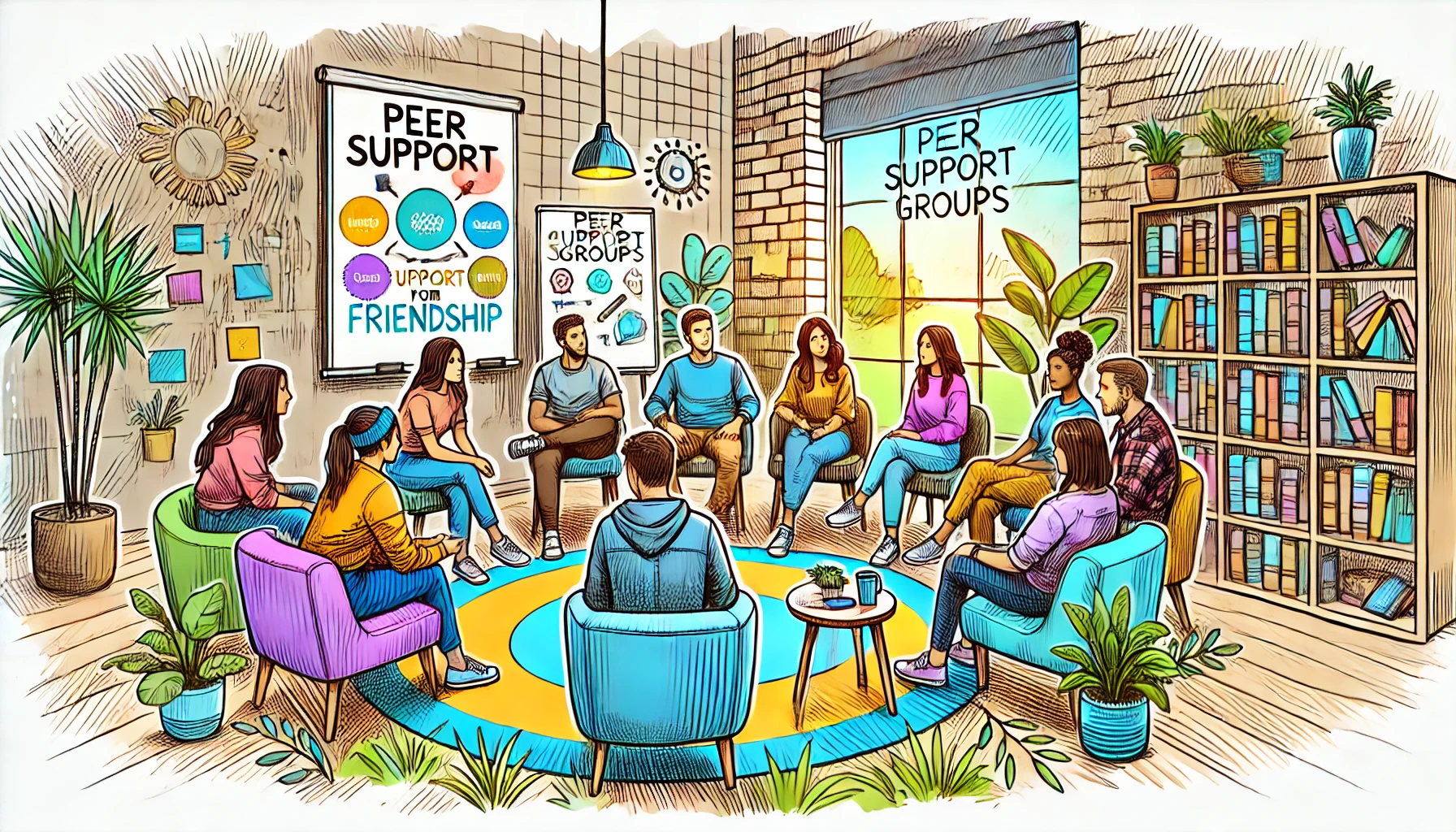
Peer support groups play a crucial role in promoting mental health by providing a platform for individuals to share their experiences, offer mutual support, and foster a sense of community. These groups, often formed within friendships, can be incredibly effective in helping people navigate mental health challenges. By leveraging the strength and understanding of their peer group, individuals can find solace, validation, and practical advice from those who truly understand their struggles.
The power of peer support lies in the shared experiences and mutual understanding that friends bring to the table. Establishing and participating in peer support groups within friendships can significantly enhance emotional well-being and resilience. This guide explores the benefits of peer support groups, the types of activities and strategies that can be employed, and how to effectively create and maintain these groups within friendships.
1. Benefits of Peer Support Groups
- Emotional Support: Provides a safe space for expressing feelings and receiving empathy from those who understand.
- Shared Experiences: Sharing similar experiences helps reduce feelings of isolation and validates individual struggles.
- Practical Advice: Offers practical advice and strategies for managing mental health based on personal experiences.
- Enhanced Coping Skills: Learning from others’ coping mechanisms and techniques can improve one’s own resilience.
- Sense of Belonging: Fosters a sense of belonging and community, which is essential for mental well-being.
2. Establishing the Group
- Identify Common Goals: Establish common goals for the group, such as mutual support, sharing experiences, and learning coping strategies.
- Set Ground Rules: Set clear ground rules to ensure confidentiality, respect, and a non-judgmental environment.
- Choose a Meeting Format: Decide on a meeting format that works for everyone, whether it’s in-person, virtual, or a mix of both.
- Frequency and Duration: Agree on the frequency and duration of meetings to maintain consistency and commitment.
- Select a Facilitator: Choose a facilitator or rotate the role to guide discussions and ensure everyone has a chance to speak.
3. Types of Activities
- Sharing Sessions: Allocate time for each member to share their current challenges, successes, and feelings.
- Discussion Topics: Select specific mental health topics or issues to discuss in depth during each meeting.
- Guest Speakers: Invite mental health professionals or individuals with relevant experiences to speak to the group.
- Resource Sharing: Share helpful resources such as books, articles, websites, or apps that offer mental health support.
- Workshops and Activities: Organize workshops or activities focused on stress reduction, mindfulness, or other mental health techniques.
4. Creating a Safe Space
- Confidentiality: Emphasize the importance of confidentiality to ensure members feel safe sharing personal information.
- Respect and Empathy: Foster a culture of respect and empathy, encouraging members to listen and support without judgment.
- Inclusive Environment: Create an inclusive environment where everyone feels welcome, regardless of their background or mental health status.
- Encourage Participation: Encourage active participation but also respect individual comfort levels regarding sharing.
- Non-Judgmental Approach: Maintain a non-judgmental approach, focusing on support and understanding rather than criticism.
5. Coping Strategies and Techniques
- Mindfulness Practices: Incorporate mindfulness practices such as meditation, deep breathing exercises, or guided imagery.
- Journaling: Encourage members to keep a journal to track their thoughts, feelings, and progress.
- Physical Activities: Promote physical activities such as yoga, walking, or group sports to enhance mental and physical well-being.
- Creative Outlets: Engage in creative activities like art, music, or writing to express emotions and reduce stress.
- Problem-Solving: Use problem-solving techniques to address specific challenges faced by group members.
6. Providing Practical Support
- Resource Lists: Compile and share lists of local mental health resources, including therapists, support groups, and crisis hotlines.
- Buddy System: Implement a buddy system where members pair up to provide additional support between meetings.
- Crisis Plans: Develop crisis plans for members to follow if they experience severe mental health issues, including emergency contacts.
- Self-Care Tips: Share and discuss self-care tips and routines that promote overall well-being.
- Accountability: Hold each other accountable for taking steps towards mental health improvement and self-care.
7. Building Trust and Consistency
- Regular Meetings: Hold regular meetings to build trust and ensure consistent support.
- Follow-Up: Follow up with members between meetings to check in on their well-being and progress.
- Open Communication: Maintain open lines of communication, allowing members to reach out for support when needed.
- Celebrate Progress: Celebrate individual and group progress, acknowledging achievements and milestones.
- Patience: Be patient with the process, understanding that building trust and seeing improvements takes time.
8. Overcoming Challenges
- Addressing Conflict: Address conflicts promptly and constructively to maintain a positive group dynamic.
- Dealing with Absences: Develop a plan for dealing with member absences to ensure continuity and support.
- Managing Expectations: Set realistic expectations for what the group can achieve and avoid putting too much pressure on members.
- Providing Flexibility: Be flexible with meeting times and formats to accommodate members’ schedules and needs.
- Seeking Professional Help: Encourage members to seek professional help if their mental health challenges are beyond the group’s capacity to support.
9. Encouraging Long-Term Engagement
- Evolving Goals: Regularly revisit and update the group’s goals to keep them relevant and motivating.
- Varied Activities: Introduce varied activities and topics to keep meetings engaging and beneficial.
- Member Input: Actively seek member input on how to improve the group and meet their needs better.
- Growth Opportunities: Provide opportunities for personal and group growth, such as leadership roles or special projects.
- Celebrate Commitment: Acknowledge and celebrate the commitment of members to their mental health and the support group.
10. Integrating Professional Support
- Therapist Involvement: Consider involving a therapist or mental health professional to provide additional guidance and support.
- Educational Workshops: Organize educational workshops on mental health topics led by professionals.
- Referral System: Establish a referral system for members who need more intensive support than the group can provide.
- Professional Development: Encourage members to pursue professional mental health resources alongside group participation.
- Collaborative Efforts: Collaborate with local mental health organizations to enhance the group’s effectiveness and reach.
Conclusion
Peer support groups within friendships can play a vital role in promoting mental health and well-being. By providing a safe space for sharing experiences, offering practical advice, and fostering a sense of community, these groups help individuals navigate mental health challenges together. Establishing and maintaining a peer support group requires clear goals, open communication, and a commitment to mutual support. Through regular meetings, varied activities, and professional integration, friends can create a powerful network of support that enhances resilience and emotional health. By leveraging the strength of peer support, individuals can find comfort, understanding, and hope in their journey toward mental wellness.