
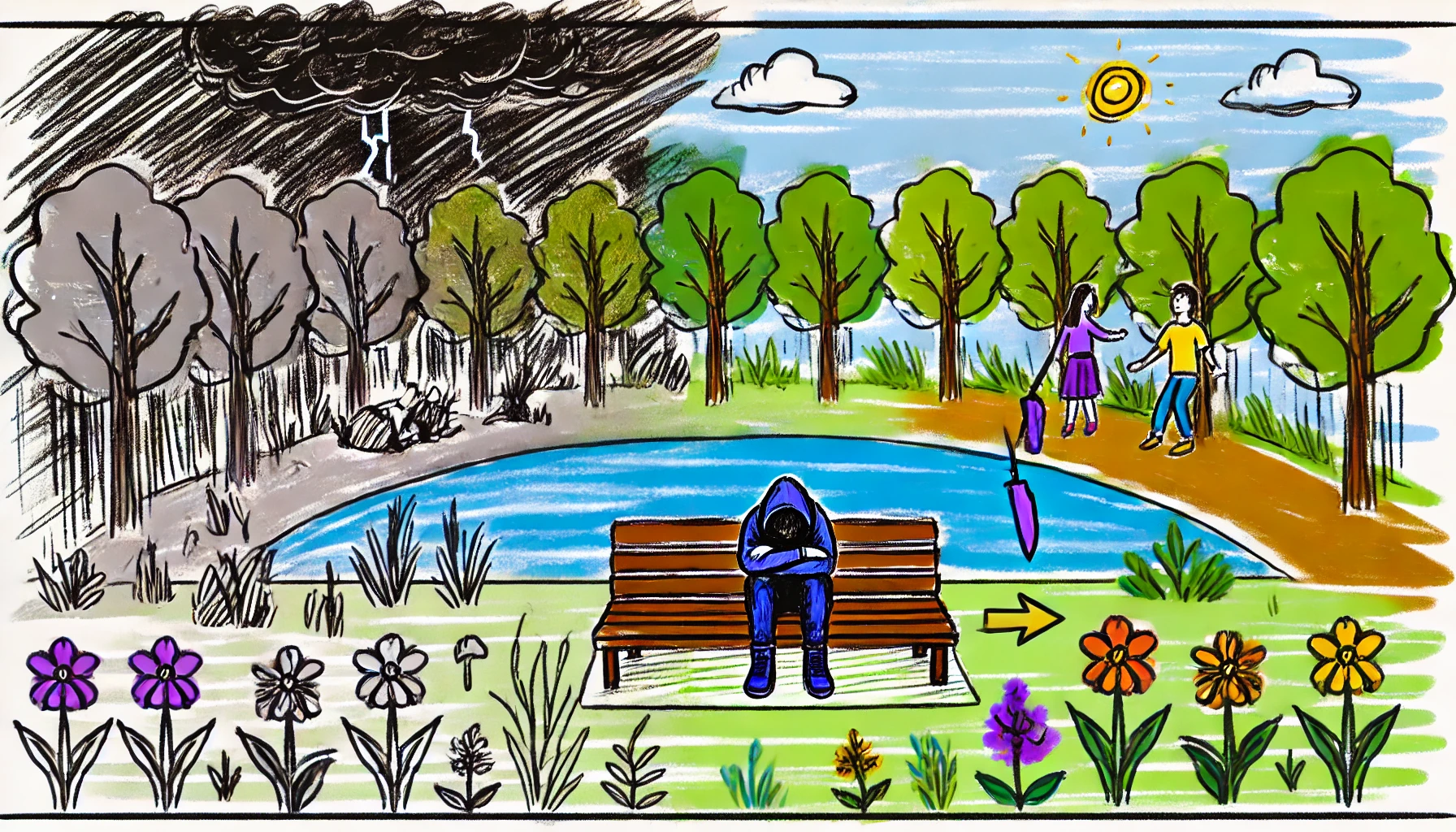
Toxic friendships can have a profound impact on mental health, leading to increased stress, anxiety, and a decrease in overall well-being. Recognizing the signs of a toxic friendship and understanding how it affects your mental health is crucial for maintaining a healthy and balanced life. This guide explores the various ways toxic friendships can impact mental health and offers strategies for managing and mitigating these effects.
Understanding the detrimental effects of toxic friendships allows you to take proactive steps to protect your mental health. By recognizing toxic behaviors and implementing effective strategies, you can maintain healthier relationships and improve your overall well-being.
1. Increased Stress and Anxiety
- Constant Tension: Toxic friendships often involve constant tension and conflict, leading to heightened stress levels.
- Emotional Drain: The emotional drain of dealing with a toxic friend can lead to chronic anxiety and mental fatigue.
- Fear of Conflict: The fear of conflict or confrontation with a toxic friend can cause ongoing anxiety and nervousness.
- Overthinking: Overthinking interactions and conversations with a toxic friend can contribute to mental exhaustion and stress.
- Lack of Trust: A lack of trust in a toxic friendship can lead to feelings of insecurity and heightened anxiety.
2. Lowered Self-Esteem
- Constant Criticism: Toxic friends may constantly criticize or belittle you, leading to a decrease in self-confidence and self-worth.
- Negative Comparisons: Comparisons with a toxic friend’s achievements or traits can negatively impact your self-esteem.
- Emotional Manipulation: Manipulative behavior can make you doubt your abilities and worth, further lowering your self-esteem.
- Lack of Support: A lack of support and encouragement from a toxic friend can leave you feeling undervalued and unappreciated.
- Internalizing Negativity: Repeated exposure to negativity from a toxic friend can lead to internalizing these negative beliefs about yourself.
3. Emotional Exhaustion
- Constant Drama: The constant drama and emotional turmoil associated with a toxic friendship can lead to emotional exhaustion.
- One-Sided Effort: Putting in one-sided effort to maintain the friendship can drain your emotional energy.
- Caretaker Role: Playing the role of a caretaker or fixer in the friendship can be emotionally exhausting and unsustainable.
- Lack of Reciprocity: A lack of reciprocity and mutual support in the friendship can leave you feeling emotionally depleted.
- Unresolved Issues: Unresolved issues and conflicts with a toxic friend can linger, causing ongoing emotional strain.
4. Depression and Sadness
- Isolation: Toxic friendships can lead to feelings of isolation and loneliness, contributing to depression.
- Negative Impact: The negative impact of a toxic friendship on your overall happiness can lead to persistent feelings of sadness.
- Emotional Abuse: Emotional abuse from a toxic friend can trigger or worsen symptoms of depression.
- Loss of Joy: The loss of joy and satisfaction in the friendship can lead to feelings of emptiness and despair.
- Hopelessness: The belief that the friendship cannot improve can lead to feelings of hopelessness and depression.
5. Impaired Social Life
- Avoidance: Avoiding social interactions to escape a toxic friend can lead to social withdrawal and isolation.
- Strained Relationships: A toxic friendship can strain your relationships with other friends and family members.
- Fear of Trust: Fear of trusting others after experiencing a toxic friendship can hinder your ability to form new connections.
- Social Anxiety: The anxiety caused by a toxic friendship can extend to other social interactions, affecting your overall social life.
- Negative Reputation: The behaviors and drama associated with a toxic friend can impact your social reputation and relationships.
6. Physical Health Issues
- Stress-Related Conditions: Chronic stress from a toxic friendship can lead to physical health issues such as headaches, insomnia, and digestive problems.
- Weakened Immune System: Prolonged stress can weaken the immune system, making you more susceptible to illnesses.
- Fatigue: Emotional exhaustion can manifest as physical fatigue, impacting your daily functioning and well-being.
- Appetite Changes: Stress and anxiety from a toxic friendship can lead to changes in appetite and eating habits.
- Sleep Disturbances: Anxiety and emotional strain can disrupt your sleep patterns, leading to insomnia or poor-quality sleep.
7. Reduced Productivity
- Distraction: The mental and emotional distraction caused by a toxic friendship can reduce your focus and productivity.
- Lack of Motivation: The negative impact on your self-esteem and emotional health can lead to a lack of motivation and drive.
- Mental Fatigue: Mental fatigue from constant stress and anxiety can impair your cognitive abilities and performance.
- Procrastination: The avoidance of dealing with a toxic friend can lead to procrastination and decreased efficiency.
- Neglected Responsibilities: The time and energy spent on managing a toxic friendship can detract from other important responsibilities and goals.
8. Impact on Other Relationships
- Jealousy and Envy: Toxic friendships can breed jealousy and envy, affecting your relationships with other friends.
- Trust Issues: Trust issues developed in a toxic friendship can carry over into other relationships, creating barriers.
- Emotional Distance: The emotional toll of a toxic friendship can lead to emotional distance in other relationships.
- Conflict Spillover: Conflicts with a toxic friend can spill over into interactions with other friends and family members.
- Neglect of Healthy Relationships: The focus on managing a toxic friendship can lead to the neglect of healthy, supportive relationships.
9. Hindrance to Personal Growth
- Stagnation: The negative influence of a toxic friend can hinder your personal growth and development.
- Fear of Change: Fear of losing the friendship can prevent you from making positive changes in your life.
- Negative Influence: The negative behaviors and attitudes of a toxic friend can impact your own outlook and choices.
- Lack of Support: The lack of support and encouragement from a toxic friend can hinder your pursuit of goals and aspirations.
- Self-Doubt: The self-doubt and insecurity fostered by a toxic friendship can impede your progress and confidence.
10. Financial Strain
- Financial Pressure: Toxic friends may pressure you into spending money on activities or items you cannot afford.
- Lack of Reciprocity: Financial strain can occur if you frequently cover expenses for a toxic friend without reciprocation.
- Stress Purchases: The stress and emotional strain of a toxic friendship can lead to impulsive or stress-related purchases.
- Financial Dependence: A toxic friend’s financial dependence on you can create an additional burden.
- Debt: The financial strain of maintaining a toxic friendship can lead to debt or financial instability.
Conclusion
Toxic friendships can have a severe impact on your mental health, leading to increased stress, anxiety, and emotional exhaustion. These relationships can lower your self-esteem, contribute to depression, and impair your social life and productivity. Recognizing the signs of a toxic friendship and understanding its detrimental effects is crucial for protecting your well-being. By setting boundaries, seeking support, and prioritizing your mental health, you can mitigate the impact of toxic friendships and foster healthier, more supportive relationships. Taking proactive steps to address and manage toxic friendships ensures that your mental and emotional health remains a top priority.