
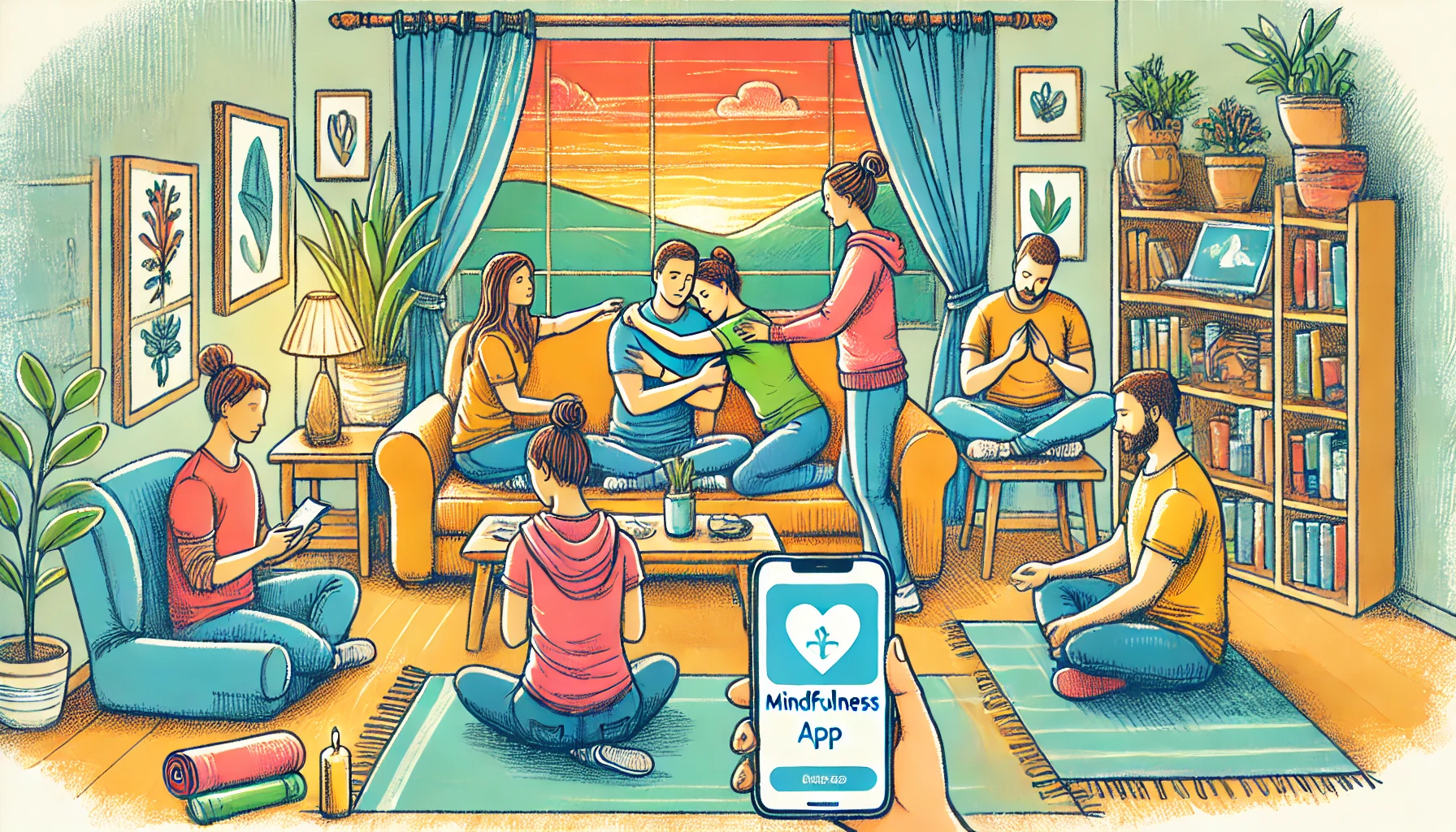
Supporting a friend’s mental health is a crucial aspect of maintaining strong and meaningful relationships. Mental health struggles can be challenging, and having a supportive friend can make a significant difference in someone’s life. By understanding how to offer support, you can help your friends navigate difficult times and contribute to their overall well-being. This guide explores practical ways friends can support each other’s mental health, fostering a supportive and caring environment.
Building a supportive friendship involves active listening, empathy, and being proactive in offering help. By following these steps, you can effectively support your friends and create a stronger bond based on mutual care and understanding.
1. Communicate Openly and Honestly
- Regular Check-Ins: Make a habit of regularly checking in with your friends to see how they are doing.
- Create a Safe Space: Create a safe and non-judgmental space where your friend feels comfortable sharing their thoughts and feelings.
- Use “I” Statements: Use “I” statements to express your concern and support (e.g., “I’ve noticed you seem a bit down lately, and I’m here for you”).
- Be Honest: Be honest about your own feelings and experiences to encourage open communication.
- Avoid Assumptions: Avoid making assumptions about what your friend is going through; instead, ask them to share their perspective.
2. Practice Active Listening
- Give Full Attention: When your friend is speaking, give them your full attention without distractions.
- Show Empathy: Show empathy by acknowledging their feelings and validating their experiences (e.g., “That sounds really tough”).
- Avoid Interrupting: Let your friend finish their thoughts without interrupting, even if you feel the urge to offer advice immediately.
- Reflect Back: Reflect back what you’ve heard to show that you understand (e.g., “It sounds like you’re feeling really overwhelmed”).
- Ask Open-Ended Questions: Ask open-ended questions to encourage your friend to share more about their feelings and experiences.
3. Be Supportive and Non-Judgmental
- Offer Unconditional Support: Offer support without judgment, letting your friend know that you are there for them no matter what.
- Avoid Blame: Avoid blaming or criticizing your friend for their feelings or actions.
- Show Compassion: Show compassion and understanding, recognizing that mental health struggles are complex and challenging.
- Be Patient: Be patient and give your friend time to process their feelings and open up.
- Reassure Them: Reassure your friend that seeking help and talking about their struggles is a sign of strength, not weakness.
4. Encourage Professional Help
- Normalize Therapy: Normalize seeking professional help by discussing the benefits of therapy and counseling.
- Offer to Help: Offer to help your friend find a therapist or mental health resources, if they are comfortable with that.
- Support Their Decision: Support your friend’s decision to seek professional help and encourage them to stick with it.
- Accompany Them: Offer to accompany your friend to their first appointment if they are nervous or anxious about going alone.
- Respect Their Choice: Respect your friend’s choice if they are not ready to seek professional help, and continue to offer your support.
5. Promote Self-Care
- Suggest Self-Care Activities: Suggest self-care activities that your friend might enjoy, such as exercise, hobbies, or relaxation techniques.
- Participate Together: Participate in self-care activities together to make them more enjoyable and supportive.
- Encourage Healthy Habits: Encourage healthy habits like regular exercise, balanced nutrition, and adequate sleep.
- Respect Their Needs: Respect your friend’s need for alone time or rest, and encourage them to take breaks when needed.
- Model Self-Care: Model self-care by taking care of your own mental health, showing your friend the importance of self-care.
6. Be Mindful of Your Language
- Avoid Stigmatizing Language: Avoid using stigmatizing language or making jokes about mental health.
- Use Positive Language: Use positive and supportive language when discussing mental health issues.
- Be Sensitive: Be sensitive to your friend’s experiences and avoid making dismissive or minimizing comments.
- Respect Privacy: Respect your friend’s privacy and confidentiality when discussing their mental health.
- Be Encouraging: Encourage your friend with positive affirmations and remind them of their strengths and capabilities.
7. Stay Connected
- Regular Contact: Maintain regular contact with your friend, even if it’s just a quick text or call to check in.
- Social Activities: Invite your friend to social activities and gatherings to help them stay connected and engaged.
- Plan Fun Activities: Plan fun activities that your friend enjoys to provide a positive distraction and boost their mood.
- Be Inclusive: Be inclusive and make sure your friend feels welcomed and valued in social settings.
- Stay Consistent: Stay consistent in your support, showing your friend that you are there for them through ups and downs.
8. Be Aware of Warning Signs
- Know the Signs: Educate yourself on the warning signs of mental health issues, such as withdrawal, changes in behavior, or expressions of hopelessness.
- Take Them Seriously: Take any warning signs or expressions of distress seriously and offer your support.
- Encourage Professional Help: Encourage your friend to seek professional help if you notice concerning signs or behaviors.
- Offer Immediate Help: If your friend is in immediate danger or expresses suicidal thoughts, seek professional help immediately.
- Stay Calm: Stay calm and supportive, and avoid panicking or reacting negatively to warning signs.
9. Set Boundaries
- Know Your Limits: Recognize your own limits and understand that you cannot be your friend’s sole source of support.
- Encourage Independence: Encourage your friend to seek multiple sources of support, including professional help, family, and other friends.
- Practice Self-Care: Take care of your own mental health and set boundaries to avoid burnout.
- Be Honest: Be honest with your friend about your own needs and limitations, and communicate openly about boundaries.
- Respect Their Boundaries: Respect your friend’s boundaries and needs, and avoid pushing them to share more than they are comfortable with.
10. Educate Yourself
- Learn About Mental Health: Educate yourself about mental health issues, treatments, and resources.
- Understand the Stigma: Understand the stigma surrounding mental health and work to combat it in your interactions and language.
- Stay Informed: Stay informed about the latest mental health research and resources.
- Advocate for Awareness: Advocate for mental health awareness and support within your community and social circles.
- Share Resources: Share helpful resources, articles, or information with your friend to provide additional support.
Conclusion
Supporting a friend’s mental health is an essential part of a strong and meaningful friendship. By communicating openly, practicing active listening, and offering non-judgmental support, you can make a significant positive impact on your friend’s well-being. Encouraging professional help, promoting self-care, and being mindful of your language further enhance your support. Staying connected, being aware of warning signs, setting boundaries, and educating yourself about mental health are crucial steps in fostering a supportive and caring friendship. By following these tips, you can help your friends navigate their mental health challenges and create a stronger, more empathetic bond.