
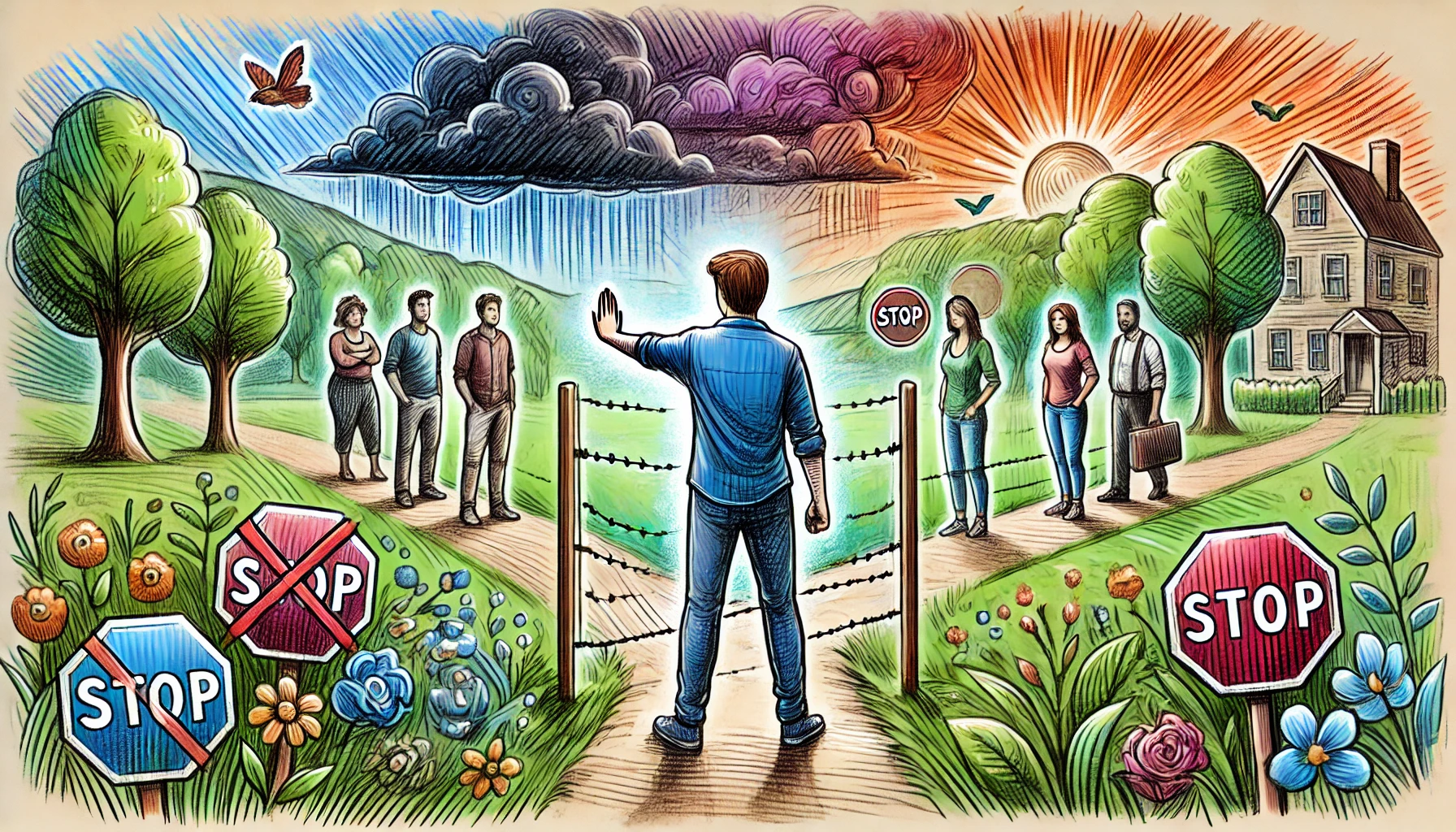
Establishing boundaries with toxic friends is crucial for maintaining your mental and emotional well-being. Toxic friendships can drain your energy, lower your self-esteem, and negatively impact your overall happiness. Recognizing the need for boundaries and implementing them effectively can help you protect yourself and foster healthier relationships. This guide provides practical tips for identifying toxic behaviors and setting clear boundaries to safeguard your mental health and maintain positive interactions.
Setting boundaries involves understanding your own needs, communicating effectively, and being consistent in enforcing those boundaries. By following these strategies, you can navigate toxic friendships more effectively and ensure your well-being is prioritized.
1. Recognize Toxic Behaviors
- Constant Criticism: Identify if your friend consistently criticizes or belittles you, affecting your self-esteem and confidence.
- Manipulation: Notice if they manipulate situations to their advantage, making you feel guilty or responsible for their happiness.
- Lack of Support: Assess if they show a lack of support for your achievements and only focus on their own issues.
- Frequent Drama: Be aware of friends who bring frequent drama and negativity into your life, causing unnecessary stress.
- Boundary Violations: Recognize if they frequently violate your personal boundaries, ignoring your comfort and preferences.
2. Assess Your Needs and Limits
- Self-Reflection: Spend time reflecting on what you need from a friendship and what behaviors you find unacceptable.
- Identify Triggers: Identify specific actions or behaviors that trigger negative emotions or stress.
- Set Limits: Clearly define your limits regarding time, energy, and emotional investment in the friendship.
- Non-Negotiables: Determine your non-negotiable boundaries that must be respected for the friendship to continue.
- Personal Values: Align your boundaries with your personal values and principles to ensure they are meaningful and necessary.
3. Communicate Clearly and Assertively
- Direct Communication: Communicate your boundaries directly and clearly, without ambiguity, to avoid misunderstandings.
- Use “I” Statements: Use “I” statements to express how you feel and what you need (e.g., “I feel overwhelmed when…”).
- Stay Calm: Maintain a calm and composed demeanor when discussing your boundaries to avoid escalating the situation.
- Be Specific: Provide specific examples of behaviors that are problematic and explain why they are unacceptable.
- Reiterate Boundaries: Reiterate your boundaries if they are violated, reinforcing your stance without aggression.
4. Establish and Maintain Boundaries
- Consistent Enforcement: Consistently enforce your boundaries, even if it feels uncomfortable initially.
- Communicate Consequences: Clearly communicate the consequences of crossing your boundaries to ensure they are understood.
- Follow Through: Follow through with the consequences if your boundaries are violated to show you are serious.
- Reinforce Positivity: Reinforce positive behaviors by showing appreciation when your boundaries are respected.
- Adjust as Needed: Be open to adjusting your boundaries as needed, based on your evolving needs and the dynamics of the friendship.
5. Limit Contact and Interaction
- Reduce Contact: Limit the frequency of contact and interactions with the toxic friend to protect your emotional well-being.
- Control Access: Control access to your personal life by avoiding sharing sensitive information with them.
- Group Settings: Prefer group settings over one-on-one interactions to create a buffer and reduce direct conflict.
- Time Management: Manage your time effectively to ensure you are not spending excessive time with the toxic friend.
- Create Distance: Create physical and emotional distance to minimize the impact of their toxic behavior on your life.
6. Seek Support from Others
- Talk to Trusted Friends: Share your experiences with trusted friends or family members for advice and support.
- Seek Professional Help: Consider seeking professional help, such as therapy, to navigate the challenges of dealing with a toxic friend.
- Support Groups: Join support groups or online communities where you can share your experiences and gain insights from others.
- Mentorship: Seek mentorship or guidance from someone who has successfully managed similar situations.
- Emotional Backing: Rely on your support network for emotional backing and validation of your feelings.
7. Focus on Self-Care
- Prioritize Well-Being: Prioritize your mental and emotional well-being by engaging in activities that bring you joy and relaxation.
- Healthy Habits: Develop healthy habits, such as regular exercise, balanced nutrition, and adequate sleep, to maintain your energy and resilience.
- Mindfulness Practices: Practice mindfulness or meditation to manage stress and stay centered.
- Personal Interests: Pursue personal interests and hobbies to enrich your life and create a sense of fulfillment.
- Self-Compassion: Practice self-compassion by being kind to yourself and acknowledging your efforts to protect your well-being.
8. Evaluate the Friendship
- Assess Value: Assess the overall value of the friendship and whether it contributes positively to your life.
- Weigh Pros and Cons: Weigh the pros and cons of maintaining the friendship versus letting it go.
- Long-Term Impact: Consider the long-term impact of the friendship on your mental and emotional health.
- Growth Opportunities: Determine if there are opportunities for growth and improvement within the friendship.
- Make a Decision: Decide whether to continue the friendship with boundaries in place or to end it if it remains toxic.
9. Be Prepared for Reactions
- Anticipate Reactions: Anticipate possible reactions from your friend, such as denial, anger, or attempts to manipulate.
- Stay Firm: Stay firm in your boundaries regardless of their reaction, reaffirming your stance calmly and confidently.
- Avoid Arguments: Avoid engaging in arguments or justifying your boundaries extensively; keep your explanations simple and clear.
- Emotional Detachment: Practice emotional detachment to protect yourself from their negative reactions.
- Seek Space: If needed, take a break from the friendship to allow both parties to process and adjust to the new boundaries.
10. End the Friendship if Necessary
- Recognize the Need: Recognize when the friendship is causing more harm than good and when it’s time to end it.
- Plan Your Approach: Plan your approach to ending the friendship, considering a direct conversation or a gradual distancing.
- Be Honest: Be honest but respectful when explaining your reasons for ending the friendship.
- Prepare for Closure: Prepare yourself for the closure of the friendship, allowing time to grieve and heal.
- Move Forward: Focus on moving forward and investing in healthier relationships that support your well-being.
Conclusion
Setting boundaries with toxic friends is essential for protecting your mental and emotional health. By recognizing toxic behaviors, assessing your needs, and communicating your boundaries clearly, you can navigate these challenging friendships more effectively. Consistently enforcing boundaries, limiting contact, and seeking support from others further ensure your well-being. Focusing on self-care, evaluating the friendship, and being prepared for reactions help you handle the situation with confidence. If necessary, ending the friendship allows you to prioritize healthier relationships and move forward positively. By implementing these strategies, you can create a supportive and fulfilling social environment that enhances your quality of life.