
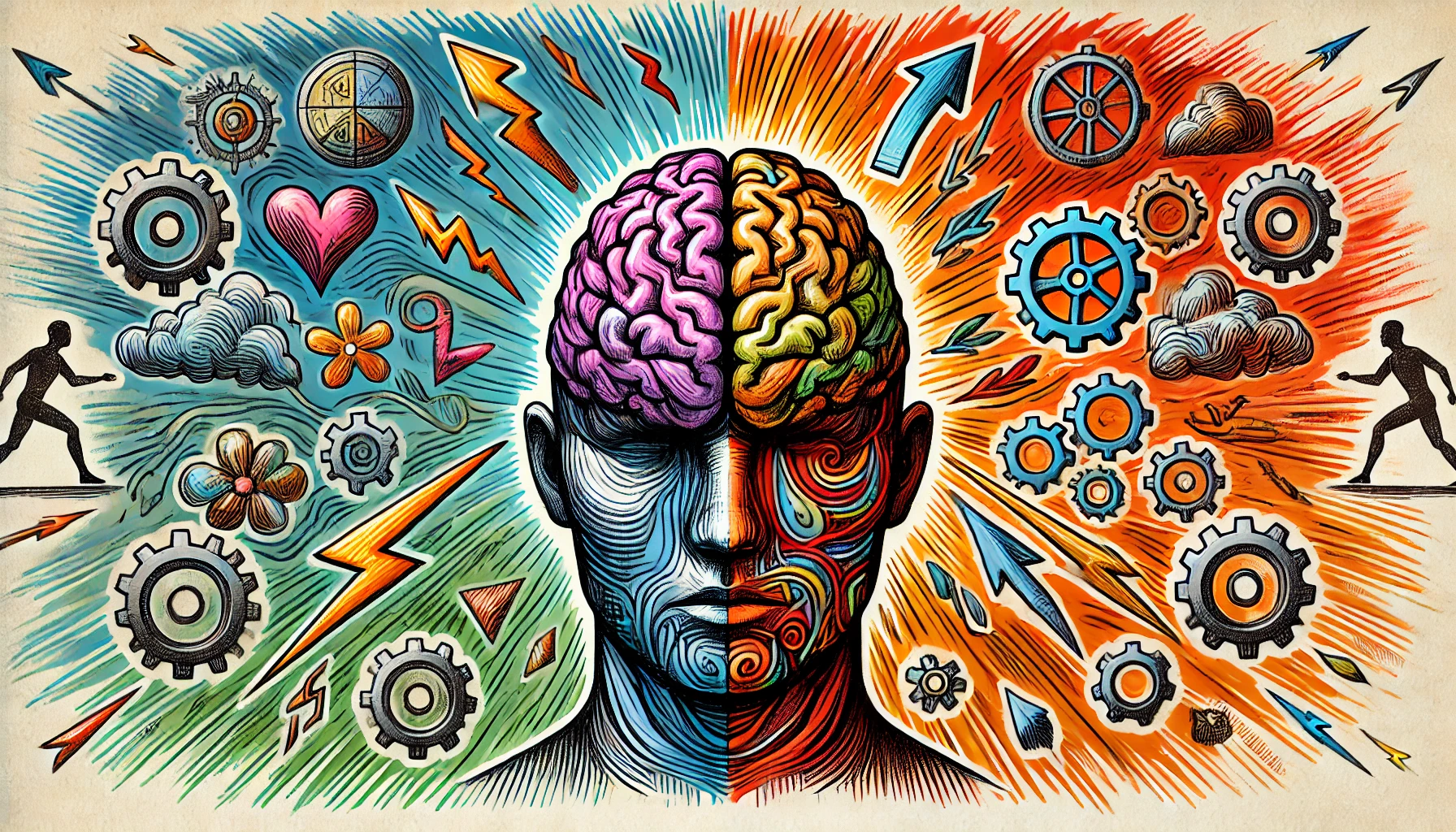
Cognitive dissonance is a psychological concept that plays a significant role in changing attitudes. It refers to the discomfort or tension individuals experience when they hold two or more contradictory beliefs, attitudes, or behaviors simultaneously. When this conflict arises, people are motivated to reduce the dissonance by changing their attitudes, beliefs, or behaviors to restore harmony. Understanding the mechanics of cognitive dissonance is essential for professionals in marketing, psychology, and communication, as it provides insights into how attitudes can be influenced and modified over time.
Cognitive dissonance occurs in various everyday situations, such as when individuals face a conflict between their beliefs and their actions or when they encounter new information that contradicts their existing views. The theory, first introduced by psychologist Leon Festinger in 1957, posits that humans strive for internal consistency. When inconsistency is perceived, cognitive dissonance sets in, and individuals seek to eliminate or reduce this psychological discomfort. This process often results in an attitude change, making cognitive dissonance a powerful tool for persuasion and personal growth. In this blog, we explore ten key points to understand the role of cognitive dissonance in changing attitudes.
1. The Definition and Mechanism of Cognitive Dissonance
- Cognitive dissonance refers to the mental conflict that arises when a person’s beliefs, attitudes, or behaviors are contradictory or inconsistent.
- It is driven by the human need for consistency, and dissonance acts as a motivating force to resolve the discomfort by adjusting one of the conflicting elements.
- The intensity of cognitive dissonance depends on the importance of the conflicting beliefs or behaviors. The greater the dissonance, the stronger the drive to reduce it.
- People resolve dissonance by changing their beliefs, acquiring new information, or minimizing the significance of the inconsistency.
- This theory is foundational in understanding why people often change their attitudes after they perform behaviors that contradict their prior beliefs.
2. How Cognitive Dissonance Leads to Attitude Change
- Cognitive dissonance often results in attitude change as individuals seek to align their beliefs with their actions to reduce discomfort.
- For example, a person who believes smoking is harmful but continues to smoke may experience dissonance. To resolve this, they might change their attitude by downplaying the health risks or quitting smoking.
- People are more likely to alter their attitudes when changing behavior is difficult or when external justification for their actions is weak.
- The need to reduce dissonance makes people more open to persuasive messages that support attitude change, especially when they face behavior-attitude conflict.
- Attitude change through cognitive dissonance is often more long-lasting than changes driven by external factors like rewards or punishments.
3. The Role of Free Choice in Cognitive Dissonance
- Cognitive dissonance is most likely to occur when individuals perceive they have freely chosen their behavior or belief.
- When actions are forced or coerced, individuals feel less cognitive dissonance because they can attribute their actions to external pressures rather than their own internal conflict.
- Free choice increases the personal responsibility individuals feel for their actions, intensifying the dissonance when their actions conflict with their values or beliefs.
- This is why marketers and educators emphasize the element of choice, as it creates a sense of ownership and commitment, which heightens the likelihood of cognitive dissonance and attitude change.
- Providing consumers with choices, even in minor decisions, can make them feel more invested and lead to stronger dissonance when their choices contradict their values.
4. Post-Decisional Dissonance and Its Impact
- After making a decision, individuals often experience “post-decisional dissonance,” a form of regret or second-guessing that prompts attitude change to justify their choice.
- This type of dissonance is common in situations where the decision is significant or involves a trade-off, such as buying a car or choosing a job.
- To reduce post-decisional dissonance, people often convince themselves that the chosen option was the best, while minimizing the positives of the rejected alternatives.
- Marketers can leverage this by reinforcing customers’ decisions after a purchase, ensuring that the buyer feels confident and satisfied, which reduces the chances of dissonance.
- Post-purchase follow-ups, such as thank-you emails or customer satisfaction surveys, can solidify positive attitudes toward a brand by reducing any lingering dissonance.
5. The Justification of Effort
- The “effort justification” principle of cognitive dissonance suggests that people value outcomes more if they have invested significant effort, time, or money into achieving them.
- When individuals endure hardship to attain something, they experience dissonance if the outcome is disappointing. To resolve this, they may convince themselves that the effort was worthwhile.
- This principle is evident in education, training, or career progression, where people tend to value accomplishments that required substantial effort.
- Organizations often use this principle in training programs, making them challenging to enhance the perceived value and commitment of employees.
- The justification of effort leads to stronger attitudes and a deeper emotional connection to the achieved outcome, even when the initial motivation may have been weak.
6. Cognitive Dissonance in Marketing and Advertising
- Cognitive dissonance is frequently used in marketing to influence consumer attitudes and behaviors. Advertisers create dissonance by highlighting a gap between consumers’ beliefs and their current actions or products.
- For example, an ad might show the negative consequences of not using a product, creating dissonance in consumers who do not own it, prompting them to change their behavior to reduce discomfort.
- Brand loyalty is often reinforced through dissonance reduction, where companies remind consumers of their past choices, encouraging them to stay consistent with their buying habits.
- Sales promotions like limited-time offers or discounts can create dissonance by introducing urgency, pushing customers to make decisions that align with their purchasing attitudes.
- Cognitive dissonance also underlies the phenomenon of “buyer’s remorse,” where consumers feel tension after purchasing and then seek reassurance to affirm their decision.
7. The Role of Insufficient Justification in Attitude Change
- When people engage in behavior with little external justification (such as a reward or punishment), they are more likely to change their attitudes to reduce cognitive dissonance.
- This occurs because the lack of external motivation forces individuals to internally rationalize their actions, often leading to a shift in their attitudes.
- In one classic experiment, participants who were paid a small amount to lie about enjoying a task later convinced themselves they enjoyed it, while those paid a large amount had sufficient external justification and did not change their attitudes.
- Marketers can use this insight by offering small rewards for behavior, allowing the consumer to internally justify their actions and develop a stronger connection to the brand or product.
- The key to using insufficient justification is subtlety, ensuring that individuals feel their actions are self-motivated rather than externally driven.
8. The Impact of Social Influence on Cognitive Dissonance
- Social pressure and group norms can either increase or reduce cognitive dissonance, depending on how closely individuals identify with the group.
- People may experience dissonance when their personal beliefs conflict with those of a group they belong to, especially when there is a strong desire to conform.
- To resolve this, they may change their attitudes to align with the group, particularly if the social pressure is strong or the group’s opinion is highly valued.
- Social influence plays a critical role in shaping attitudes during campaigns for social change, where cognitive dissonance is used to challenge existing beliefs and encourage collective action.
- Public commitment to a belief or behavior can increase dissonance if individuals later find themselves acting inconsistently with their public stance, often leading to attitude change.
9. Cognitive Dissonance and Self-Perception
- Cognitive dissonance theory overlaps with self-perception theory, which suggests that individuals infer their attitudes from observing their behavior.
- When people engage in a behavior that conflicts with their stated beliefs, they may change their attitudes to align with their actions to maintain a positive self-image.
- This process is particularly evident in cases where individuals are uncertain about their attitudes and look to their actions for clues.
- Self-perception can reduce dissonance by allowing individuals to reinterpret their past behavior in a way that aligns with their evolving attitudes.
- Marketers and communicators can use self-perception theory by encouraging behavior change first, which may lead to subsequent shifts in attitude as individuals seek to align their beliefs with their actions.
10. Reducing Cognitive Dissonance through Reframing
- Cognitive dissonance can be reduced by reframing the situation or belief in a way that minimizes the conflict between attitudes and behaviors.
- Reframing involves changing the interpretation of the situation, such as downplaying the significance of the dissonant belief or emphasizing the positives of the new behavior.
- For example, individuals who quit smoking might reframe their previous behavior by emphasizing the health benefits of quitting rather than focusing on the difficulty of quitting.
- Reframing is often used in cognitive-behavioral therapy, where individuals are taught to reframe negative or dissonant thoughts to reduce psychological discomfort.
- This technique is effective in helping people cope with major attitude changes, making it easier to embrace new behaviors or beliefs.
Conclusion
Cognitive dissonance is a powerful psychological mechanism that plays a crucial role in shaping and changing attitudes. By understanding how dissonance works, individuals and organizations can effectively influence behavior and encourage positive attitude shifts. From marketing and advertising to personal decision-making and social influence, cognitive dissonance is a key driver of change. Recognizing its influence can help people navigate internal conflicts and align their beliefs with their actions, leading to more consistent and satisfying outcomes.