
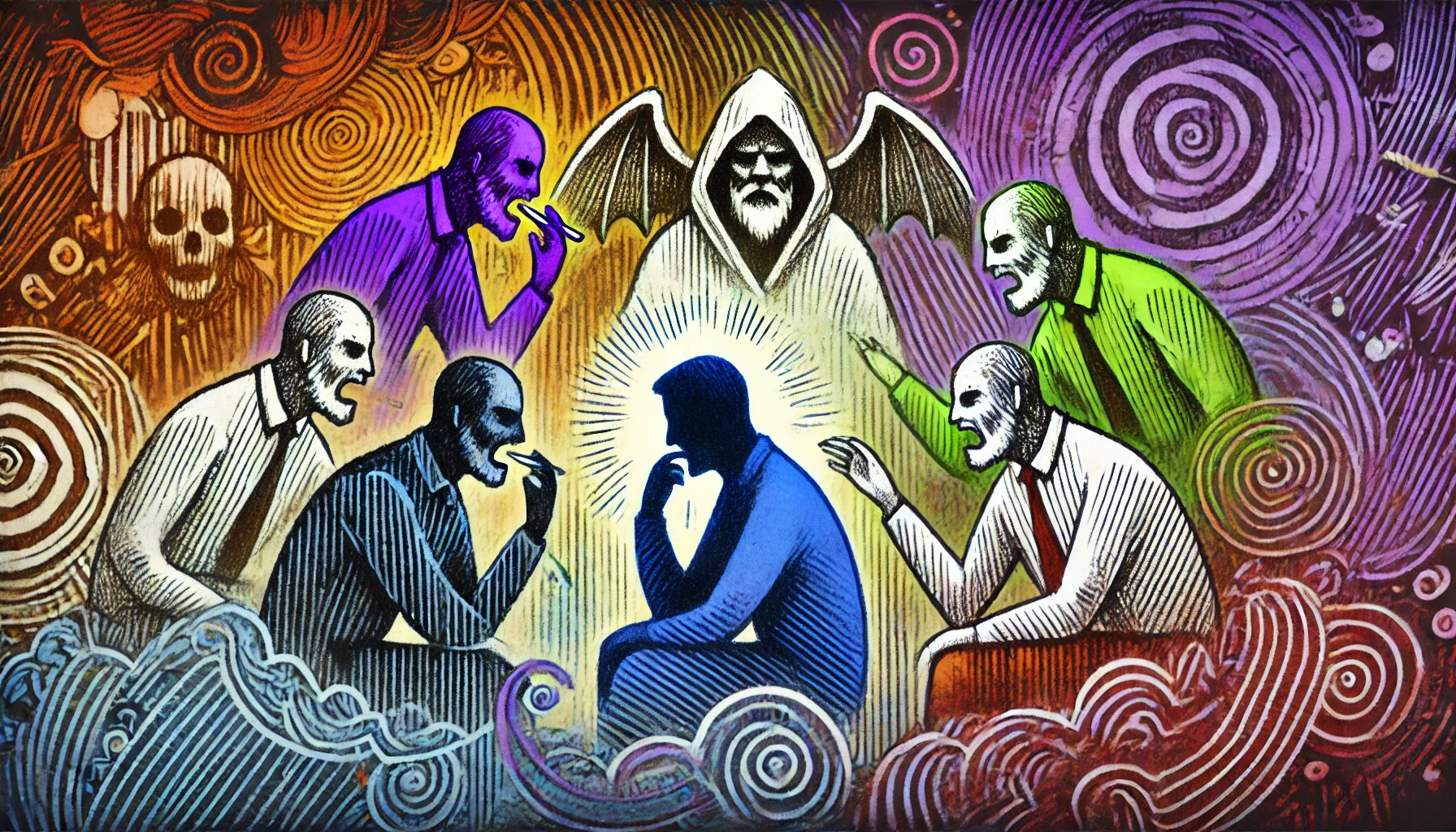
Social influence is a powerful force that shapes our thoughts, actions, and decisions. While it often drives positive changes and promotes social cohesion, it can also lead to harmful behaviors. When people are influenced by social forces in negative ways—such as through peer pressure, groupthink, or obedience to authority—they may engage in actions that are detrimental to themselves or others. This darker side of social influence can manifest in various forms, from bullying and substance abuse to unethical practices in the workplace and even large-scale atrocities.
Understanding the mechanisms through which social influence can lead to harmful behavior helps shed light on why individuals and groups sometimes act against their better judgment or moral values. By recognizing these influences, people can develop strategies to resist negative pressures and promote ethical decision-making. In this blog, we explore how social influence leads to harmful behavior, the psychological factors behind it, and real-world examples that illustrate its dangers.
1. Peer Pressure and Risky Behavior
- Peer pressure is one of the most well-known forms of social influence that can lead to harmful behavior, particularly among adolescents and young adults. It occurs when individuals feel pressured to conform to the behaviors, attitudes, or values of their peer group, even if those actions go against their own beliefs.
- Risky behaviors, such as smoking, alcohol and drug use, or reckless driving, are often driven by peer pressure. Individuals may engage in these behaviors to fit in, gain social approval, or avoid rejection from their peers.
- Peer pressure can also lead to social conformity, where individuals adopt harmful group norms to avoid being singled out or ostracized. This can include bullying, cheating, or participating in criminal activities.
- The pressure to conform is especially strong in situations where group identity and belonging are tied to specific behaviors. For example, gang membership or fraternities may promote risky or harmful behaviors as part of their group culture.
- Recognizing and resisting peer pressure is critical for preventing individuals from engaging in harmful actions simply to gain acceptance or approval from others.
2. The Dangers of Groupthink
- Groupthink occurs when the desire for harmony or conformity within a group overrides critical thinking and leads to poor decision-making. In this environment, members suppress dissenting opinions, fail to evaluate alternatives, and prioritize consensus over sound judgment.
- Groupthink often leads to harmful behaviors because it stifles individual thought and encourages group members to follow the majority, even when the majority is wrong.
- Examples of groupthink include corporate scandals, where employees ignore unethical practices to avoid conflict, or political decisions that lead to disastrous outcomes because dissenting voices are silenced.
- Symptoms of groupthink include self-censorship, the illusion of unanimity, and pressure on dissenters to conform. In extreme cases, it can result in catastrophic decisions, such as in the Bay of Pigs invasion, where U.S. government officials ignored obvious risks due to groupthink.
- To combat groupthink, it’s essential to encourage open dialogue, welcome diverse perspectives, and appoint a devil’s advocate to challenge prevailing assumptions within the group.
3. Obedience to Authority and Harmful Behavior
- Obedience to authority is another way social influence can lead to harmful behavior. People tend to comply with orders or instructions from authority figures, even when those directives conflict with their moral beliefs or better judgment.
- The Milgram experiment famously demonstrated this effect, where participants obeyed an authority figure’s instructions to administer what they believed were harmful electric shocks to another person, despite their own discomfort.
- This form of social influence is particularly dangerous in hierarchical structures, such as the military, corporations, or political regimes, where authority figures have significant power over individuals.
- Blind obedience can lead to atrocities, such as war crimes, where soldiers follow orders to harm civilians, or workplace misconduct, where employees carry out unethical practices because their superiors instructed them to do so.
- Encouraging ethical leadership and promoting critical thinking skills in individuals are key strategies for reducing the harmful effects of obedience to authority.
4. The Role of Social Media in Amplifying Harmful Behavior
- Social media has become a powerful amplifier of social influence, often exacerbating harmful behaviors like bullying, harassment, and misinformation.
- Cyberbullying is one of the most prevalent harmful behaviors on social media, where individuals or groups target others with hurtful messages, threats, or shaming. The anonymity of social media platforms often emboldens users to act in ways they wouldn’t in face-to-face interactions.
- Social media also contributes to the spread of misinformation and conspiracy theories, as users share content without verifying its accuracy. This can lead to real-world harm, such as the spread of dangerous health misinformation or politically motivated violence.
- The bandwagon effect on social media encourages people to follow harmful trends or challenges simply because they see others doing it. Examples include dangerous viral challenges that put participants’ health and safety at risk.
- To combat harmful behaviors on social media, platforms need to enforce stricter content moderation policies, promote digital literacy, and encourage users to critically evaluate the information they consume and share.
5. The Dark Side of Social Norms
- Social norms are powerful drivers of behavior, but they can also promote harmful actions when they encourage behaviors that are destructive, unethical, or discriminatory.
- In some cultures or communities, harmful social norms may support practices like gender discrimination, racial segregation, or corporal punishment. Individuals may follow these norms to fit in, avoid punishment, or maintain their social standing.
- Harmful norms are often perpetuated through intergenerational transmission, where behaviors and beliefs are passed down from one generation to the next, making them deeply ingrained and difficult to change.
- For example, in workplaces with toxic cultures, norms may include excessive competitiveness, overwork, or unethical business practices. Employees conform to these norms because they fear losing their jobs or being ostracized.
- Challenging harmful social norms requires advocacy, education, and policy change to shift societal values and create environments where positive, ethical behaviors are rewarded and harmful norms are dismantled.
6. Conformity and Mob Mentality
- Conformity refers to the tendency of individuals to change their behavior to align with the group, even when they personally disagree with the group’s actions. In some cases, this can lead to mob mentality, where individuals lose their sense of personal responsibility and engage in harmful or violent behavior as part of a crowd.
- Mob behavior can escalate quickly, with individuals participating in riots, looting, or hate crimes because they feel empowered by the anonymity and collective energy of the group.
- Deindividuation occurs when people in large groups lose their sense of individuality, making them more likely to engage in behaviors they would normally avoid due to fear of judgment or consequences.
- Historical examples of mob mentality include public lynchings, riots, and violent protests where individuals act out of a desire to conform to the group’s actions rather than their own moral judgment.
- Preventing mob behavior requires law enforcement and community leaders to promote individual accountability and de-escalation strategies during large gatherings or protests.
7. The Bystander Effect and the Failure to Act
- The bystander effect occurs when individuals fail to intervene or take action in emergency situations because they assume someone else will step in. This phenomenon is driven by diffusion of responsibility, where the presence of others reduces the feeling of personal responsibility.
- In situations where people witness harmful behavior, such as bullying, harassment, or violence, they may remain passive observers due to the bystander effect, allowing the harm to continue.
- Pluralistic ignorance also contributes to the bystander effect, where individuals in a group assume that others are more knowledgeable or better equipped to handle the situation, leading them to refrain from acting.
- Tragic examples of the bystander effect include instances of public violence where dozens of witnesses fail to intervene or call for help because they believe someone else will.
- Encouraging active bystander interventions through education and training can help counteract the bystander effect, empowering individuals to step in and prevent harm when they witness dangerous situations.
8. The Influence of In-Groups and Out-Groups
- Social influence can lead to harmful behaviors when people divide others into in-groups (those they identify with) and out-groups (those they view as different or inferior). This division can result in discrimination, prejudice, and even violence against out-group members.
- In-group favoritism occurs when individuals show preference for members of their own group, while out-group derogation leads to negative attitudes or actions toward those outside the group.
- This dynamic often fuels racism, sexism, xenophobia, and other forms of discrimination, where people are influenced to act against out-groups based on societal biases or stereotypes.
- Extreme examples of in-group and out-group behavior include hate crimes, ethnic cleansing, and genocides, where individuals dehumanize out-groups and justify violent actions against them.
- To reduce harmful behaviors based on group divisions, it’s essential to promote intergroup dialogue, empathy, and inclusive policies that break down barriers between in-groups and out-groups.
9. Cults and Extreme Social Influence
- Cults are extreme examples of harmful social influence, where charismatic leaders use manipulation, coercion, and psychological control to shape the beliefs and behaviors of followers.
- In cults, leaders often demand blind obedience and isolate followers from outside influences, leading to mind control and a loss of individual autonomy. Followers may engage in harmful actions, such as violence, fraud, or exploitation, to prove their loyalty.
- Cults often use indoctrination techniques, such as love-bombing, fear-based messaging, and thought reform, to manipulate followers into abandoning their previous beliefs and adopting the group’s ideology.
- High-profile examples of cults that led to harmful behaviors include the Jonestown massacre and the Heaven’s Gate cult, where followers were driven to extreme actions, including mass suicide, due to the influence of cult leaders.
- Deprogramming and exit counseling are essential tools for helping individuals leave cults and regain their autonomy, while public awareness campaigns can prevent people from falling victim to cult influence.
10. Strategies for Resisting Harmful Social Influence
- Critical thinking is a key skill for resisting harmful social influence. By questioning the motives behind group actions, evaluating the consequences of behaviors, and considering alternative perspectives, individuals can avoid blindly following harmful trends or commands.
- Self-awareness helps people recognize when they are being influenced by external pressures and empowers them to make decisions based on their own values rather than conforming to harmful group norms.
- Moral courage is essential for standing up against harmful social influence, especially in situations where peer pressure, authority, or groupthink is pushing individuals toward unethical or dangerous actions.
- Support networks can provide a buffer against negative social influence. Having trusted friends, mentors, or counselors who encourage positive behaviors and offer guidance can help individuals resist harmful group dynamics.
- Education and training in ethical decision-making, conflict resolution, and bystander intervention can equip individuals with the tools they need to counter harmful social influence and promote healthier group behaviors.
In conclusion, while social influence is a natural part of human behavior, it can lead to harmful actions when individuals or groups are pressured to conform to negative norms, obey unethical authority, or engage in destructive behavior. Understanding the psychological mechanisms behind harmful social influence can help individuals recognize when they are being influenced in negative ways and develop strategies to resist these pressures. By promoting critical thinking, ethical leadership, and positive social norms, society can mitigate the dark side of social influence and foster healthier, more constructive behaviors.