
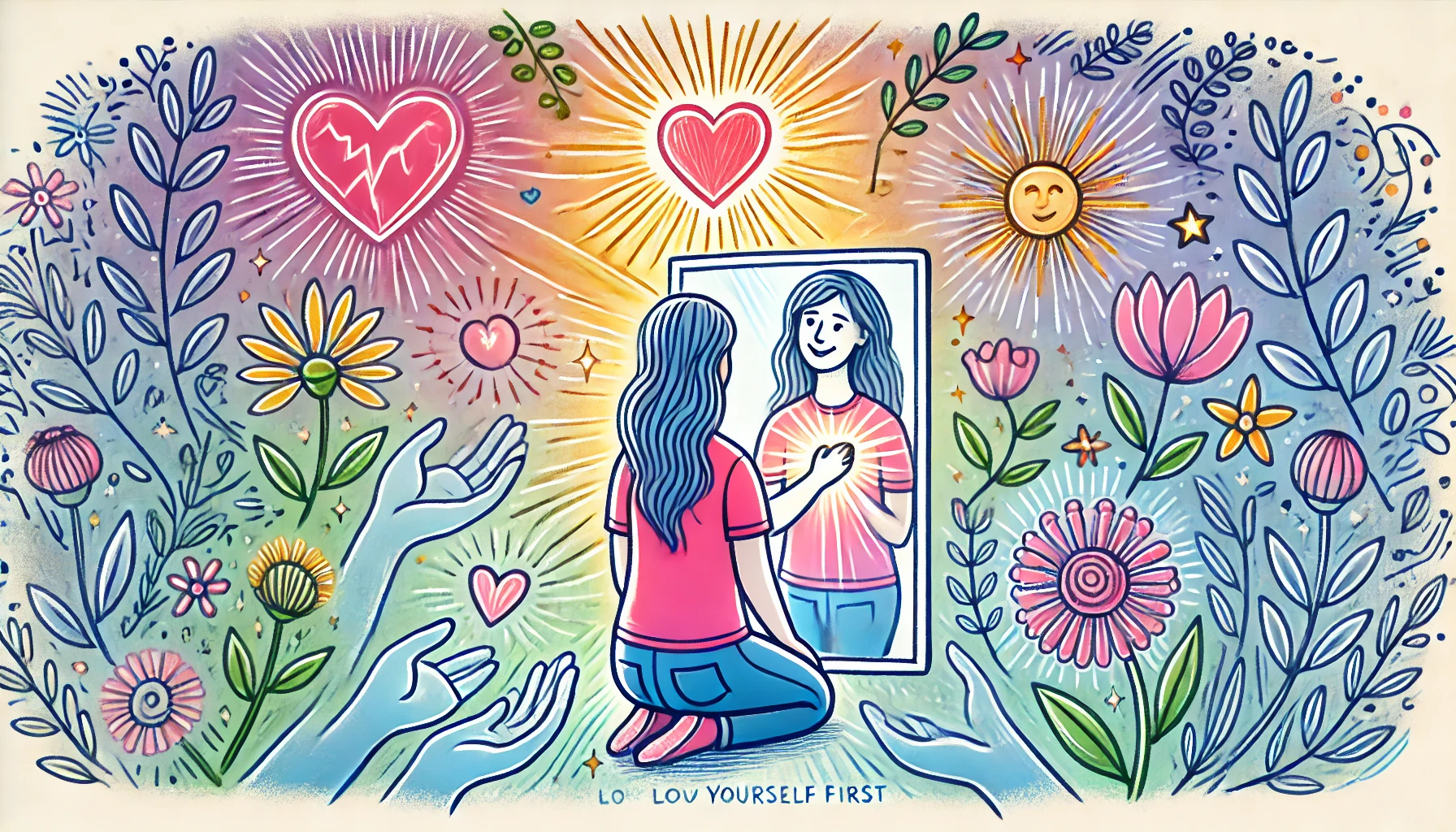
Loving yourself first is the foundation for building healthy self-esteem and cultivating fulfilling relationships. When you prioritize self-love, you create a strong sense of self-worth that allows you to enter relationships with confidence, emotional balance, and a clear understanding of your needs. Loving yourself empowers you to set boundaries, avoid unhealthy dynamics, and approach your partner from a place of emotional security rather than dependency. In contrast, a lack of self-love can lead to low self-esteem, which often manifests as seeking validation from others, tolerating mistreatment, or losing your sense of identity in relationships.
Self-love is not selfish; it’s a necessary step in developing emotional resilience and ensuring that you can give and receive love in a healthy way. By building self-esteem, you create a solid foundation for meaningful connections, where both partners can thrive without compromising their individuality. In this blog, we’ll explore practical steps for learning to love yourself first and building self-esteem in relationships.
1. Recognize Your Inherent Worth
- The first step to loving yourself is recognizing that your worth is inherent and not dependent on external factors like your partner’s approval, success, or how others perceive you.
- Practice affirming your value by reminding yourself daily that you deserve love, respect, and happiness simply because you are a unique individual.
- When you truly believe in your worth, you are less likely to tolerate disrespect, mistreatment, or neglect in relationships.
- A strong sense of self-worth forms the basis for self-love, allowing you to build healthier, more balanced relationships based on mutual respect.
- Recognizing your worth helps you approach relationships from a place of confidence rather than seeking validation from others to feel good about yourself.
2. Set Healthy Boundaries
- Loving yourself means setting and maintaining boundaries that protect your emotional and physical well-being.
- Boundaries help you define what is acceptable behavior in relationships and ensure that your needs are respected without feeling guilty or selfish.
- Practice communicating your boundaries clearly to your partner, whether they relate to personal space, time, emotional needs, or physical comfort.
- Setting boundaries helps reinforce self-esteem because it shows that you value yourself enough to protect your energy and emotional health.
- Healthy boundaries create a balanced dynamic where both partners feel respected and valued, which strengthens the relationship while promoting self-love.
3. Prioritize Self-Care
- Self-care is an essential aspect of self-love. It involves taking intentional steps to nurture your mind, body, and spirit, helping you maintain emotional balance and resilience.
- Engage in self-care activities that bring you joy, relaxation, and fulfillment, such as exercising, meditating, journaling, or spending time with loved ones.
- When you prioritize self-care, you signal to yourself and your partner that your well-being is a priority, which reinforces self-esteem.
- Regular self-care practices help prevent burnout, reduce stress, and ensure that you are bringing your best self into the relationship.
- Loving yourself through self-care ensures that you are emotionally and physically nourished, making it easier to give and receive love in a healthy way.
4. Let Go of Perfectionism
- Perfectionism is a major barrier to self-love because it sets unattainable standards that can lead to constant self-criticism and feelings of inadequacy.
- Embrace the idea that you don’t need to be perfect to be worthy of love. Instead, focus on progress and self-improvement without harshly judging yourself for mistakes.
- Loving yourself involves accepting your flaws, learning from them, and understanding that everyone has imperfections.
- By letting go of perfectionism, you free yourself from unrealistic expectations and reduce the pressure to perform or “earn” love in your relationships.
- Self-acceptance allows you to approach relationships with greater compassion for yourself and your partner, fostering a more relaxed and supportive dynamic.
5. Avoid Seeking External Validation
- When you love yourself, you don’t rely on external validation to feel good about who you are. Instead, you cultivate internal confidence and self-approval.
- While it’s natural to enjoy compliments and praise, true self-esteem comes from within, not from how others perceive you.
- Practice validating yourself by acknowledging your accomplishments, strengths, and qualities without waiting for someone else’s approval.
- Reducing your reliance on external validation allows you to enter relationships with emotional independence, where you are not constantly seeking reassurance or approval from your partner.
- Internal validation fosters a stronger sense of self-love, helping you feel secure and confident in your relationships without being overly dependent on others for your happiness.
6. Practice Positive Self-Talk
- The way you speak to yourself has a significant impact on your self-esteem and emotional well-being. Loving yourself involves practicing positive self-talk that reinforces your worth and capabilities.
- Replace negative or self-critical thoughts with affirmations such as “I am worthy of love,” “I am capable of growth,” or “I deserve happiness.”
- When you catch yourself engaging in negative self-talk, challenge those thoughts by asking, “Is this based on fact or fear?” and “How can I reframe this thought in a positive way?”
- Positive self-talk helps rewire your mindset, allowing you to view yourself with kindness and compassion, which strengthens your self-esteem.
- As you build a habit of speaking kindly to yourself, you develop greater emotional resilience, which positively impacts your relationships.
7. Reflect on Your Accomplishments and Strengths
- Part of loving yourself is acknowledging and celebrating your achievements and strengths. Reflecting on what you’ve accomplished helps reinforce your sense of self-worth.
- Take time to regularly list your successes, whether big or small, and recognize the effort, skills, and qualities that contributed to those achievements.
- Focus on your strengths and how they benefit your relationships, such as your kindness, patience, or sense of humor.
- By celebrating your own strengths, you build confidence in your abilities and contributions, which strengthens your self-esteem and helps you feel more secure in relationships.
- Reflecting on your strengths also helps you see yourself as a valuable partner, reinforcing the belief that you deserve love and respect.
8. Embrace Vulnerability
- Loving yourself first means being comfortable with vulnerability, both with yourself and in your relationships. Vulnerability allows you to be authentic and open, which fosters deeper emotional connections.
- Accept that vulnerability is not a weakness but a strength that allows you to express your true feelings and needs without fear of judgment or rejection.
- Being vulnerable requires self-confidence, as it means trusting that you are worthy of love even when you’re not “perfect” or have flaws.
- Embracing vulnerability helps build trust and intimacy in relationships while reinforcing your self-esteem by allowing you to show up authentically.
- When you love yourself enough to be vulnerable, you create space for genuine connection and emotional growth in your relationships.
9. Forgive Yourself for Past Mistakes
- Self-love involves practicing self-forgiveness and letting go of guilt or shame over past mistakes. Holding onto past regrets can damage self-esteem and prevent you from moving forward.
- Understand that everyone makes mistakes, and that your past doesn’t define your worth or your ability to create a healthy, loving relationship.
- Learn from your past experiences and focus on how they’ve helped you grow, rather than allowing them to diminish your self-esteem.
- By forgiving yourself, you release the emotional burden of guilt and free yourself to focus on personal growth and building healthier relationship dynamics.
- Self-forgiveness is a powerful act of self-love, as it allows you to move forward with confidence and compassion for yourself.
10. Surround Yourself with Positive Influences
- The people you surround yourself with can either support or undermine your self-love journey. Make sure you’re cultivating relationships with individuals who uplift, support, and respect you.
- Distance yourself from toxic or negative influences that make you question your worth or feel inadequate.
- Positive relationships, whether romantic or platonic, help reinforce your self-esteem by providing encouragement, love, and respect.
- Surrounding yourself with supportive people helps you feel more confident in who you are, making it easier to practice self-love and maintain healthy boundaries.
- Building a supportive network reminds you that you are deserving of kindness, respect, and love, both from yourself and others.
11. Be Patient with Yourself
- Learning to love yourself takes time, especially if you’ve struggled with self-esteem issues in the past. Be patient with yourself and recognize that self-love is a journey, not a destination.
- Avoid rushing the process or feeling discouraged if you experience setbacks. Growth and healing happen gradually, and every step you take is progress.
- Practice self-compassion by being kind to yourself during difficult moments and reminding yourself that you are worthy of love, even when things don’t go as planned.
- Patience allows you to embrace the learning process and celebrate small victories along the way, reinforcing self-love and self-esteem.
- As you continue to nurture your relationship with yourself, you’ll find that your relationships with others become healthier and more fulfilling.
In conclusion, loving yourself first is essential for building self-esteem and creating healthy, balanced relationships. By recognizing your worth, setting boundaries, practicing self-care, and embracing vulnerability, you develop a strong sense of self-love that empowers you to approach relationships with confidence and emotional independence. Letting go of perfectionism, practicing positive self-talk, and surrounding yourself with supportive influences further reinforce self-esteem, helping you create more meaningful connections. Ultimately, loving yourself first allows you to give and receive love in a way that honors your value and fosters lasting emotional well-being.