
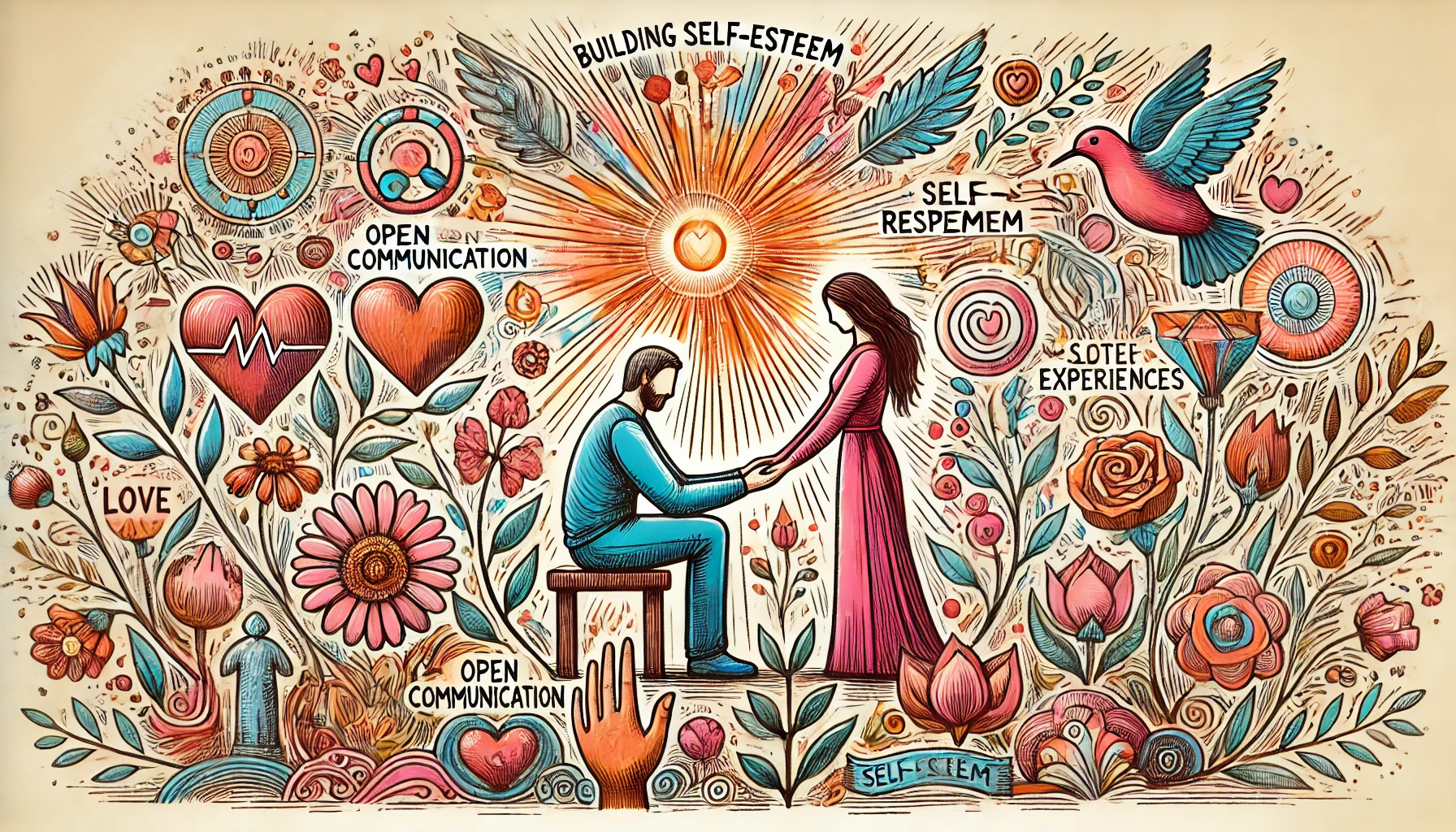
Building self-esteem in long-term relationships is crucial for maintaining both personal fulfillment and the overall health of the partnership. Over time, the dynamics of a relationship can shift, and it’s common for individuals to experience moments of insecurity, dependence, or loss of identity. However, by nurturing self-esteem within the relationship, you can maintain emotional balance, foster mutual respect, and continue to grow as both an individual and a partner. Strong self-esteem helps you approach the relationship with confidence, allowing you to communicate openly, assert your needs, and support your partner without losing sight of yourself.
In long-term relationships, self-esteem is not only important for personal well-being but also for sustaining the emotional intimacy and trust that strengthens the bond. When both partners maintain a healthy sense of self, the relationship becomes a space for mutual growth, encouragement, and emotional security. In this blog, we will explore strategies for building and maintaining self-esteem in long-term relationships, ensuring that both partners thrive individually and together.
1. Maintain Your Individual Identity
- One of the most important aspects of building self-esteem in a long-term relationship is maintaining your own identity outside of the partnership.
- It’s easy to become absorbed in a relationship, but losing sight of who you are as an individual can lead to dependence and a decline in self-worth.
- Continue to nurture your hobbies, interests, and personal goals, ensuring that you have a fulfilling life outside of the relationship.
- Celebrate your individuality and encourage your partner to do the same. By supporting each other’s personal growth, you create a stronger foundation for the relationship.
- Maintaining your sense of self ensures that your self-esteem is based on your own achievements and passions, not just on your role as a partner.
2. Communicate Your Needs and Boundaries
- Open communication is essential for self-esteem in long-term relationships. Being able to express your needs and set boundaries reinforces the idea that your feelings and desires matter.
- When you assert your boundaries, you signal to yourself and your partner that your emotional well-being is a priority.
- Don’t be afraid to communicate your needs, whether they relate to personal space, emotional support, or time alone. This fosters mutual respect and helps avoid feelings of resentment or neglect.
- Assertive communication, rather than passive or aggressive behavior, ensures that both partners feel heard and valued, which contributes to a healthier and more confident relationship dynamic.
- Clear communication prevents misunderstandings and reinforces self-esteem by validating your feelings and needs within the relationship.
3. Practice Self-Validation
- Relying solely on your partner for validation can create an unhealthy dependency and weaken your self-esteem. Instead, practice self-validation by recognizing your own worth and achievements.
- Learn to appreciate your strengths and qualities, rather than waiting for your partner to affirm them. This builds a stronger internal sense of self-worth.
- Acknowledge your feelings, successes, and efforts independently of external praise. For example, after completing a task or achieving a goal, take a moment to reflect on your own sense of accomplishment.
- When you validate yourself, you reduce the pressure on your partner to be your primary source of confidence, creating a more balanced relationship dynamic.
- Regularly practicing self-validation helps you maintain your self-esteem, even during challenging times in the relationship.
4. Encourage Mutual Support and Growth
- Long-term relationships thrive when both partners support each other’s personal and professional growth. Encouraging each other’s development helps build mutual self-esteem.
- Celebrate your partner’s successes and milestones, and expect the same support in return. This positive reinforcement strengthens both individuals’ confidence and the relationship as a whole.
- Create an environment where both partners feel empowered to pursue their goals and ambitions without fear of judgment or competition.
- Recognize that growth is a continuous process for both partners. Support each other through challenges and successes, knowing that individual growth ultimately benefits the relationship.
- By fostering mutual support, you create a relationship where both partners feel valued and respected for who they are as individuals, which strengthens self-esteem on both sides.
5. Avoid Codependency
- Codependency in a relationship occurs when one or both partners rely excessively on the other for emotional support, validation, or self-worth. This can erode self-esteem and lead to an unhealthy dynamic.
- To avoid codependency, prioritize emotional independence by nurturing your own emotional well-being outside of the relationship.
- Encourage both yourself and your partner to develop a strong sense of self-worth that doesn’t rely on the relationship for validation.
- Balance is key: while emotional support is essential in a relationship, it should complement, not replace, the confidence that comes from within.
- By maintaining emotional independence, both partners can contribute to the relationship from a place of strength, rather than neediness or insecurity.
6. Focus on Personal Growth
- Personal growth is essential for maintaining self-esteem in long-term relationships. Continuously working on self-improvement helps you feel more confident and fulfilled as an individual.
- Set personal goals outside of the relationship, whether related to career, health, hobbies, or personal development. Achieving these goals reinforces your sense of capability and self-worth.
- Growth-minded individuals are more likely to approach challenges with resilience and optimism, which strengthens both personal confidence and the relationship.
- Encourage your partner to focus on their own growth as well, creating a dynamic where both individuals are evolving and contributing positively to the relationship.
- Personal growth fosters a sense of autonomy and self-confidence, preventing stagnation and ensuring that both partners feel fulfilled and empowered.
7. Celebrate Your Accomplishments, Individually and Together
- Celebrating both individual and relationship milestones is a great way to build self-esteem in a long-term partnership.
- Take time to acknowledge your personal achievements, such as completing a project, reaching a fitness goal, or learning a new skill. This reinforces self-worth and personal growth.
- Likewise, celebrate relationship achievements—such as anniversaries, overcoming challenges together, or supporting each other through difficult times.
- Recognizing your successes, both individually and as a couple, fosters a sense of pride and accomplishment, boosting self-esteem and strengthening the bond.
- By focusing on the positive, you and your partner can build a strong sense of gratitude and confidence, both within yourselves and the relationship.
8. Practice Self-Care and Self-Compassion
- Self-care is essential for nurturing self-esteem in any relationship. Prioritizing your physical, mental, and emotional well-being helps you feel more confident and balanced.
- Engage in self-care practices that promote relaxation, stress relief, and overall happiness, whether through exercise, meditation, hobbies, or spending time with loved ones.
- Practicing self-compassion—especially during difficult times in the relationship—helps you avoid self-criticism and reinforces the belief that you are deserving of love and respect.
- When you take care of yourself, you bring a healthier, more confident version of yourself into the relationship, which benefits both partners.
- Regular self-care supports emotional resilience and self-esteem, allowing you to handle relationship challenges with greater confidence and clarity.
9. Challenge Negative Thought Patterns
- Negative thoughts and insecurities can creep into long-term relationships, especially during periods of conflict or uncertainty. Challenging these thoughts is key to maintaining self-esteem.
- When you experience self-doubt or feelings of inadequacy, take a moment to question whether these thoughts are based on facts or irrational fears.
- Replace negative self-talk with positive affirmations, such as “I am worthy of love and respect” or “I bring value to this relationship.”
- Recognize that challenges in the relationship do not define your worth, and that growth and healing are part of the process.
- By actively challenging and reframing negative thoughts, you can maintain a more positive mindset and build stronger self-esteem.
10. Seek Professional Support if Needed
- Sometimes, self-esteem issues in long-term relationships may stem from deeper emotional wounds or past experiences that require professional support.
- Seeking therapy or counseling, either individually or as a couple, can help you address underlying issues that may be affecting your self-esteem or the relationship dynamic.
- A therapist can provide tools and strategies for building self-worth, improving communication, and fostering emotional intimacy in the relationship.
- Investing in your emotional health through professional support demonstrates a commitment to both yourself and the relationship, reinforcing self-esteem and mutual respect.
- Professional guidance can be particularly helpful if you’re struggling to overcome past traumas or patterns of behavior that negatively impact your self-worth or the relationship.
In conclusion, building self-esteem in long-term relationships requires intentional effort, communication, and a focus on personal growth. By maintaining your individual identity, setting boundaries, practicing self-validation, and supporting each other’s development, both partners can nurture their self-worth and create a healthy, balanced relationship. Prioritizing self-care, challenging negative thoughts, and seeking professional support when needed ensures that your self-esteem remains strong, allowing the relationship to thrive. Ultimately, self-esteem empowers both individuals to contribute positively to the relationship, creating a foundation of trust, respect, and emotional intimacy.