
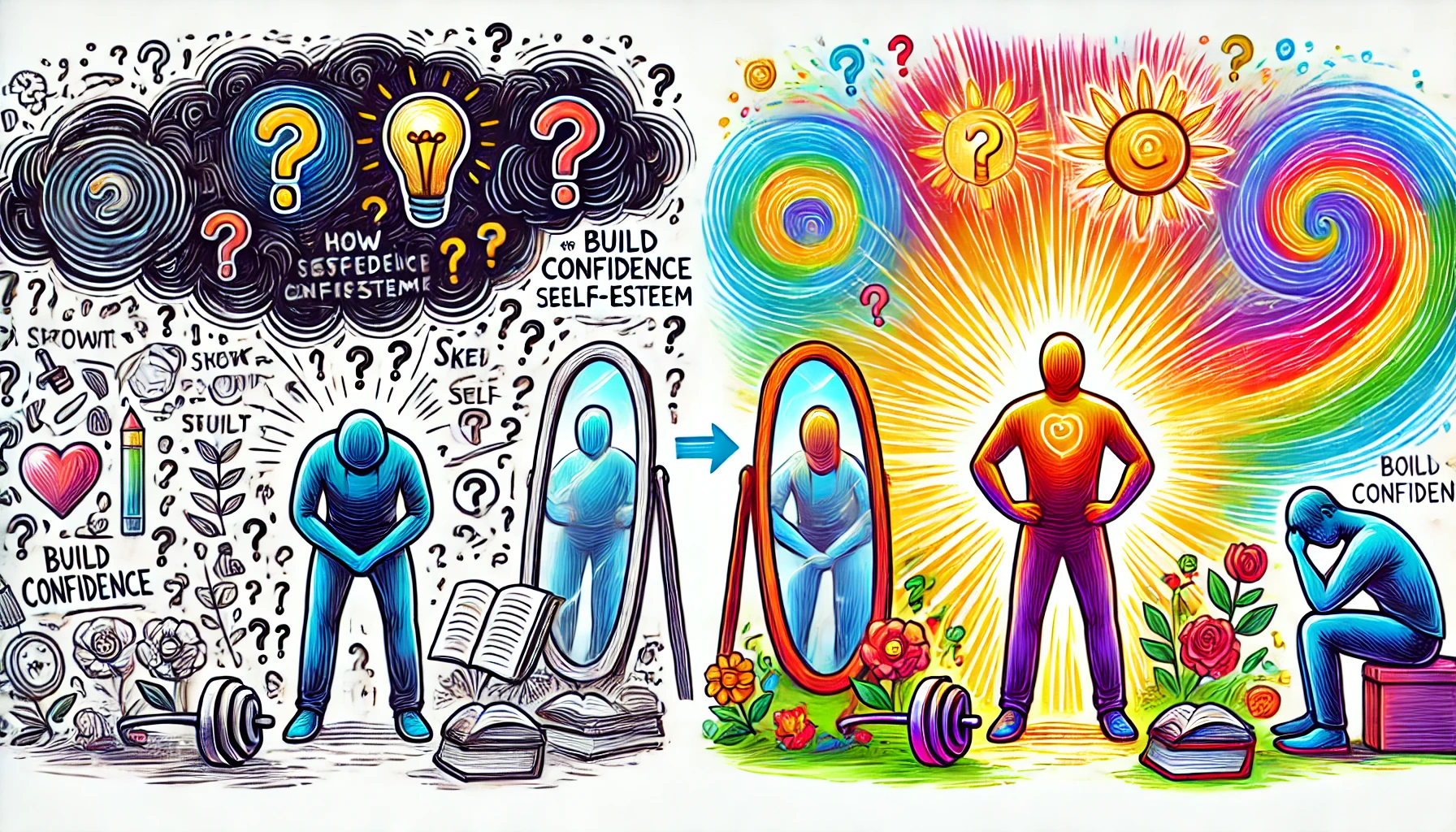
Building confidence when you have low self-esteem can be a transformative process. Low self-esteem often stems from negative beliefs about yourself and your abilities, which can make it difficult to feel confident in any area of life. However, confidence is not something you’re born with; it is a skill that can be developed over time with consistent effort. By focusing on small, actionable steps, shifting your mindset, and embracing self-compassion, you can start building confidence and, in turn, improving your self-esteem.
Confidence is rooted in how you perceive yourself and your abilities. Low self-esteem can cloud these perceptions, making you doubt your worth and capabilities. To counter this, you need to challenge your inner critic, set realistic goals, and celebrate small victories along the way. Building confidence involves recognizing your strengths, embracing your imperfections, and learning to trust yourself. Below are ten strategies to help you build confidence, even when struggling with low self-esteem.
1. Challenge Negative Self-Talk
- Low self-esteem often results from a constant stream of negative self-talk. Identify the critical voice in your head that tells you you’re not good enough.
- When you catch yourself thinking negatively, ask yourself if these thoughts are based on facts or irrational fears.
- Challenge negative thoughts by replacing them with more balanced and realistic affirmations, such as “I am learning” or “I am capable.”
- Keep a thought journal to track your negative thoughts and how you counter them with positive alternatives.
- Over time, silencing the inner critic helps build a healthier self-image, which is the foundation of confidence.
2. Focus on Your Strengths
- Rather than dwelling on perceived weaknesses or failures, make a list of your strengths, skills, and past accomplishments.
- Regularly review this list to remind yourself of what you’re good at, especially during times of self-doubt.
- Focusing on your strengths allows you to see your value more clearly and reinforces the idea that you are capable and competent.
- Celebrate small wins, whether they are personal, professional, or related to everyday tasks, as they reflect your abilities.
- By concentrating on your strengths, you gradually shift from focusing on inadequacies to recognizing your potential.
3. Set Achievable Goals
- Low self-esteem often leads to setting unrealistic goals or avoiding goal-setting altogether due to fear of failure. Break large, daunting goals into smaller, manageable steps.
- Start by setting simple, achievable goals that align with your values and passions. Success in these areas will gradually boost your confidence.
- As you accomplish each goal, no matter how small, celebrate your progress. Each success serves as proof that you are capable.
- Keep track of your progress by writing down your achievements and reflecting on how far you’ve come.
- Setting achievable goals helps build momentum and reinforces the belief that you are capable of reaching bigger aspirations.
4. Step Out of Your Comfort Zone
- Confidence grows when you take on challenges and stretch beyond your comfort zone. Start by doing small things that make you slightly uncomfortable.
- Each time you push your boundaries, you gain new experiences and prove to yourself that you can handle more than you think.
- Facing new challenges, such as speaking up in meetings, trying a new hobby, or introducing yourself to someone new, helps expand your sense of capability.
- Gradually, as you step outside your comfort zone more often, your confidence will grow, and you’ll become more comfortable facing unfamiliar situations.
- Taking risks and embracing discomfort is key to building confidence and diminishing the power of self-doubt.
5. Practice Self-Compassion
- Low self-esteem is often fueled by harsh self-criticism. Practice self-compassion by treating yourself with kindness and understanding, especially when things don’t go as planned.
- Remind yourself that everyone makes mistakes, and setbacks do not define your worth.
- When you fall short of your expectations, ask yourself how you would support a friend in a similar situation, and offer yourself that same empathy.
- Developing a compassionate inner voice allows you to bounce back from failure more quickly and strengthens your resilience.
- Self-compassion helps build a sense of security within yourself, which is essential for lasting confidence.
6. Surround Yourself with Supportive People
- The people you surround yourself with can significantly influence your confidence. Build a support network of friends, family, or colleagues who uplift and encourage you.
- Seek out positive relationships that reinforce your strengths and provide constructive feedback rather than criticism.
- Limit your exposure to negative or toxic people who undermine your confidence or make you feel inadequate.
- Joining communities or groups where you feel accepted and appreciated helps reinforce a sense of belonging and self-worth.
- Surrounding yourself with positive influences gives you the emotional support you need to maintain and build your confidence.
7. Embrace Failure as a Learning Opportunity
- Fear of failure is one of the biggest barriers to confidence. Reframe failure not as a reflection of your worth, but as a learning opportunity.
- Each time you fail, ask yourself, “What can I learn from this experience?” Focus on growth rather than perfection.
- Recognize that even successful people experience failure, and it’s a normal part of the learning process.
- Over time, embracing failure as part of your journey builds resilience and helps you take risks without fearing the outcome.
- Learning to see failure as feedback rather than a personal flaw strengthens your confidence in handling future challenges.
8. Take Care of Your Physical Health
- Physical health and self-esteem are closely connected. Regular exercise not only improves your physical well-being but also boosts your mental health by releasing endorphins.
- A balanced diet fuels your body and mind, helping you feel more energized and focused.
- Prioritize sleep, as fatigue can negatively impact your mood, cognitive abilities, and self-perception.
- Self-care routines that focus on your physical health, such as exercise, proper nutrition, and rest, signal to yourself that you are worthy of care and attention.
- Taking care of your body helps build a positive self-image and reinforces your sense of self-worth.
9. Visualize Your Success
- Visualization is a powerful tool for building confidence. Take a few minutes each day to imagine yourself succeeding in the areas where you want to improve.
- Picture yourself achieving your goals, whether it’s giving a confident presentation, mastering a skill, or handling a difficult situation with ease.
- Visualization helps train your brain to expect positive outcomes and reduces anxiety by familiarizing your mind with success scenarios.
- The more vividly you can visualize success, the more confident you will feel in your ability to achieve it.
- Regularly practicing visualization creates a mental blueprint for success, reinforcing a positive self-image.
10. Seek Professional Help if Needed
- Sometimes, deeply ingrained low self-esteem requires professional support to overcome. Therapists trained in Cognitive Behavioral Therapy (CBT) can help identify and challenge the root causes of low self-esteem.
- A therapist can guide you in developing healthier thinking patterns, building self-confidence, and addressing past experiences that may have contributed to your low self-esteem.
- Support groups or confidence-building workshops provide additional resources and community support, helping you connect with others who are on a similar journey.
- Seeking professional help is not a sign of weakness but a proactive step toward building lasting confidence and self-worth.
- Therapy and support provide tools and strategies that accelerate your personal growth and help you achieve long-term success in building confidence.
Conclusion
Building confidence when you have low self-esteem is an ongoing process that requires patience, persistence, and self-compassion. By challenging negative self-talk, focusing on your strengths, and setting achievable goals, you can gradually rebuild your confidence. Stepping out of your comfort zone, embracing failure as a learning opportunity, and surrounding yourself with supportive people are all essential steps in the journey toward self-assurance.
Confidence is not about achieving perfection or meeting external expectations; it’s about recognizing your intrinsic value, trusting your abilities, and embracing your unique path. With consistent effort, self-care, and, if needed, professional support, you can overcome low self-esteem and build a lasting sense of confidence that empowers you to thrive.