
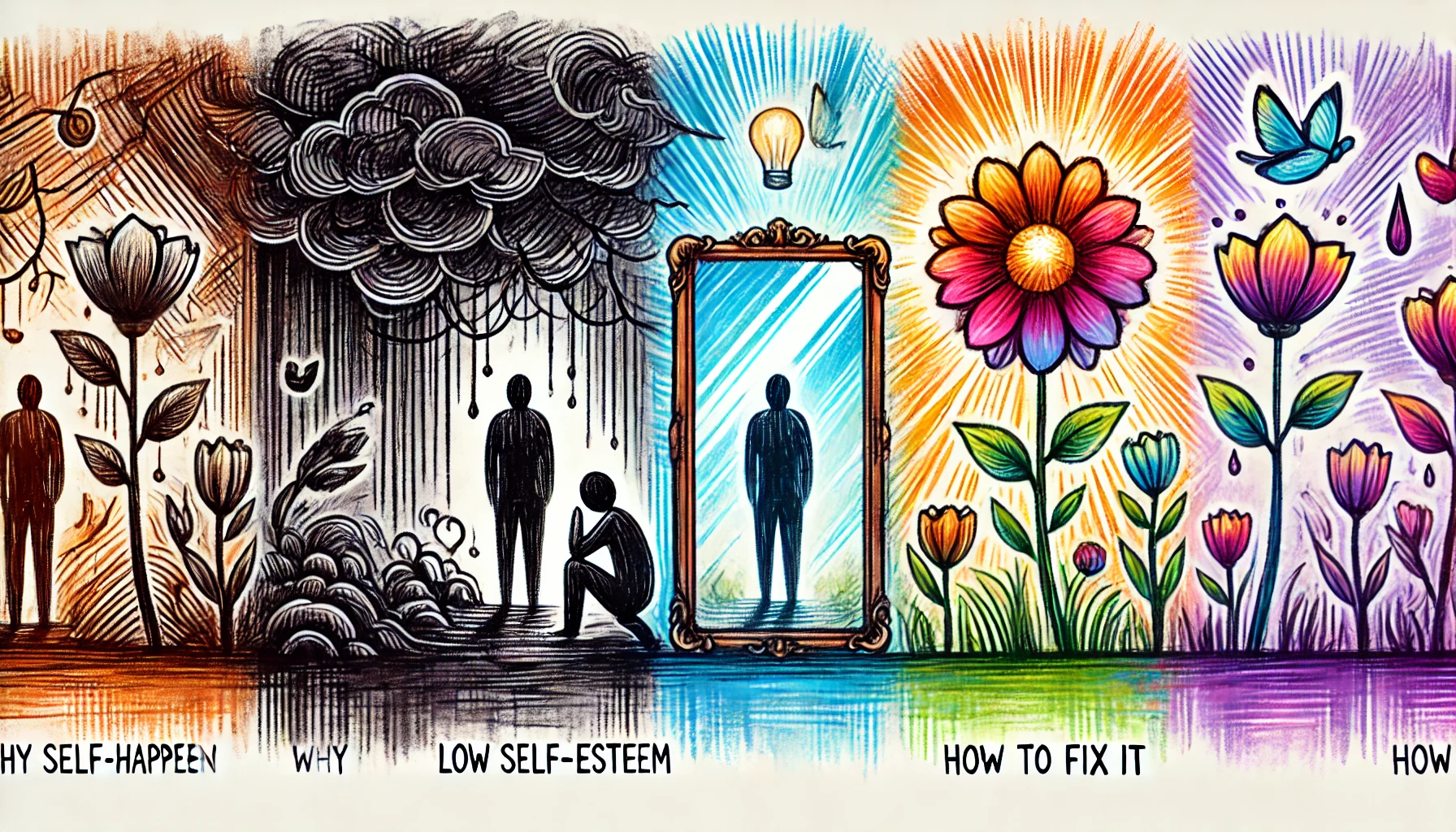
Low self-esteem can be a deeply ingrained issue that affects how we view ourselves and the world around us. It often develops over time through a combination of experiences, environment, and personal perceptions. Those with low self-esteem tend to view themselves in a negative light, believing they are not worthy or capable of success. This mindset can hinder personal and professional growth, leading to missed opportunities, relationship challenges, and even mental health concerns like anxiety or depression.
Understanding why low self-esteem happens is the first step toward addressing and overcoming it. Many factors can contribute to the development of low self-esteem, such as childhood experiences, societal pressures, traumatic events, and personal failures. By identifying the root causes, individuals can begin to take actionable steps to rebuild their confidence and self-worth. Below, we explore the key reasons why low self-esteem happens and offer strategies to fix it, helping individuals reclaim their sense of worth and start thriving.
1. Causes of Low Self-Esteem in Childhood
- Critical Parenting: Children who grow up with overly critical parents or caregivers may internalize these judgments, believing they are not good enough.
- Lack of Encouragement: When children do not receive encouragement or validation, they may grow up doubting their abilities or feeling inadequate.
- Negative Comparisons: Constant comparisons to siblings, peers, or societal standards can lead children to believe they are lacking in some way.
- Early Failures: Experiencing failure at a young age, without the proper emotional support, can instill a fear of trying new things, reinforcing feelings of inadequacy.
- Bullying or Social Rejection: Negative social experiences in childhood, such as bullying or rejection, can create lasting scars that contribute to low self-esteem in adulthood.
2. External Validation and Societal Pressure
- Media Influence: The portrayal of “perfect” lives and bodies on social media can lead to feelings of inferiority, especially when individuals measure themselves against unrealistic standards.
- Cultural Expectations: Different cultures place value on certain achievements, appearances, or behaviors, which can pressure individuals to meet these standards, often leading to self-doubt.
- Peer Pressure: The need to fit in and be accepted by peers can result in negative self-comparisons, especially if one feels they do not meet societal expectations.
- Achievements Tied to Self-Worth: Many people equate their self-worth with accomplishments or external success. Failure to meet certain benchmarks can erode self-esteem.
- Perfectionism: The constant pursuit of perfection, often influenced by external pressures, sets unattainable goals, leading to frustration and feelings of failure.
3. Impact of Traumatic Experiences
- Abuse: Physical, emotional, or sexual abuse can severely damage a person’s sense of self-worth, making them feel unlovable or undeserving of kindness.
- Loss and Grief: Losing a loved one or experiencing a major life disruption can create feelings of helplessness, fueling low self-esteem.
- Failure or Rejection: Repeated failures or significant rejections, such as losing a job or experiencing a breakup, can reinforce the belief that one is not good enough.
- Trauma in Adulthood: Even in adulthood, traumatic experiences like divorce, unemployment, or illness can lead to diminished self-esteem and a negative self-image.
- PTSD and Depression: Mental health conditions resulting from trauma, such as PTSD or depression, can exacerbate feelings of low self-worth, creating a cycle of negativity.
4. Cognitive Distortions
- All-or-Nothing Thinking: People with low self-esteem often see situations in black-and-white terms, believing they are either a success or a failure with no middle ground.
- Catastrophizing: This involves imagining the worst-case scenario and believing that minor setbacks are major failures, contributing to feelings of inadequacy.
- Overgeneralization: A single negative event can lead to broad negative conclusions about oneself, such as thinking, “I always fail” or “Nothing ever goes right for me.”
- Discounting the Positive: Those with low self-esteem may downplay their achievements or positive traits, focusing only on their perceived flaws.
- Mind Reading: Assuming others view you negatively without any real evidence can reinforce feelings of low self-worth and anxiety.
5. Social Isolation and Loneliness
- Lack of Social Support: Being isolated from supportive relationships can prevent individuals from receiving the encouragement and validation they need.
- Fear of Rejection: Low self-esteem can make individuals reluctant to form new relationships, out of fear that others will reject or criticize them.
- Negative Social Experiences: Past experiences of social rejection can make individuals wary of trusting others, leading to further isolation and reinforcing feelings of worthlessness.
- Internalized Criticism: Without external feedback, individuals may rely solely on their internal self-criticism, which can become more negative over time.
- Loneliness and Depression: Prolonged social isolation can contribute to depression, which often deepens feelings of low self-esteem and helplessness.
6. Fixing Low Self-Esteem through Cognitive Behavioral Therapy (CBT)
- Challenging Negative Thoughts: CBT helps individuals identify negative thought patterns and replace them with more balanced, constructive thoughts.
- Reframing Experiences: Instead of viewing failures as personal flaws, CBT encourages individuals to see them as learning opportunities.
- Behavioral Activation: This involves engaging in activities that bring joy or a sense of accomplishment, helping to counteract the inactivity associated with low self-esteem.
- Identifying Strengths: CBT focuses on helping individuals recognize and build upon their strengths, improving self-confidence and resilience.
- Breaking the Cycle of Negativity: Through practice, CBT interrupts the cycle of negative thinking, creating space for more positive self-perceptions.
7. Building Self-Compassion
- Treat Yourself with Kindness: Practice treating yourself the way you would treat a friend in distress, offering understanding and empathy rather than harsh criticism.
- Acknowledge Your Humanity: Remember that everyone makes mistakes, and setbacks are a normal part of life. This helps reduce feelings of failure and inadequacy.
- Practice Self-Care: Engage in activities that nurture your physical, emotional, and mental health, reinforcing the belief that you deserve love and care.
- Forgive Yourself: Learn to forgive yourself for past mistakes or perceived shortcomings. Holding onto guilt or regret can perpetuate feelings of low self-worth.
- Focus on Progress, Not Perfection: Self-compassion involves accepting your imperfections while celebrating your efforts and growth along the way.
8. Surround Yourself with Positive Influences
- Build a Supportive Network: Surround yourself with friends, family, or mentors who uplift you and reinforce your strengths.
- Limit Time with Negative Influences: Reduce contact with individuals who criticize or belittle you, as they can worsen feelings of low self-esteem.
- Join Positive Communities: Engage in groups or activities that promote positivity, personal growth, and acceptance.
- Seek Mentorship: A mentor can provide guidance and encouragement, helping you see your potential and improve your self-confidence.
- Socialize with Like-Minded People: Finding individuals who share your values and interests can reinforce feelings of belonging and acceptance.
9. Practice Gratitude
- Daily Gratitude Journaling: Keep a journal where you write down three things you are grateful for each day. This practice shifts your focus from self-doubt to appreciation.
- Recognize Your Achievements: Celebrate small victories and personal milestones, no matter how minor they may seem.
- Shift from Deficiency to Abundance: Instead of focusing on what you lack, focus on what you already have—whether it’s skills, relationships, or personal traits.
- Cultivate Contentment: Practicing gratitude helps cultivate a mindset of contentment, which can reduce the constant striving for external validation.
- Reinforce Positive Emotions: Gratitude helps foster positive emotions that counterbalance the negativity often associated with low self-esteem.
10. Seek Professional Help if Needed
- Therapy for Self-Esteem: Therapists, especially those trained in cognitive-behavioral therapy, can help address deep-rooted self-esteem issues.
- Support Groups: Joining a support group can provide a sense of community and shared understanding, reducing feelings of isolation and worthlessness.
- Medication for Co-Occurring Disorders: If low self-esteem is accompanied by depression or anxiety, medication may be an option to consider under a doctor’s supervision.
- Coaching for Personal Growth: A life coach can provide actionable strategies for improving confidence and building self-worth.
- Self-Help Resources: Books, podcasts, and workshops on self-esteem and personal development can offer valuable insights and motivation for change.
Conclusion
Low self-esteem can develop from a variety of causes, including childhood experiences, societal pressures, traumatic events, and cognitive distortions. However, it is possible to rebuild self-esteem by addressing these root causes and making positive changes. Whether it’s through therapy, self-compassion, gratitude, or surrounding yourself with positive influences, taking small, consistent steps can help you rewrite your self-narrative and reclaim your self-worth. By understanding the origins of low self-esteem and actively working to change negative thought patterns, you can create a more positive, fulfilling relationship with yourself.